As seen on RFD TV “Equestrian Nation” Direct link to MrTruck Accessory Store.
Since 1999, 23 years bringing you Truck, Trailer and Accessory reviews. MrTruck.com Research Pickup Truck-Trailer and Accessory Reviews: Popup Hitch, Gen-y Hitch, Shocker Hitch, Andersen WDH hitch, Tuson Trailer Tire Monitor, GanderLock for gooseneck, Sumo Springs for trailers, Sulastic Springs, Centramatic balancers, Weigh-Safe hitch scale, DirecLink brake controller, Roadmaster Active Suspension


YouTube channel, MrTruck.TV truck-trailer-accessory video’s.
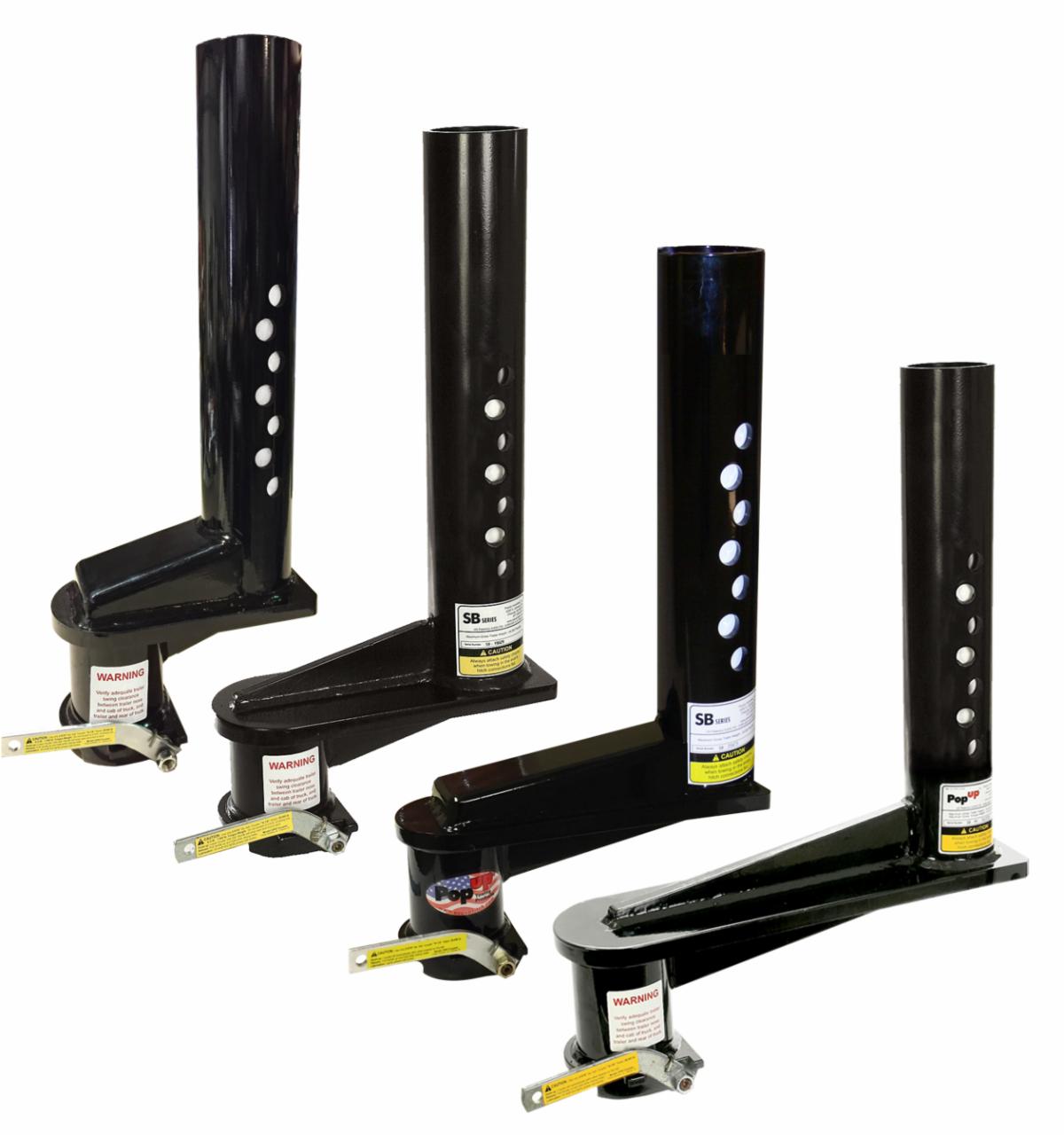 Popup Hitch gooseneck extensions: Order now CLICK
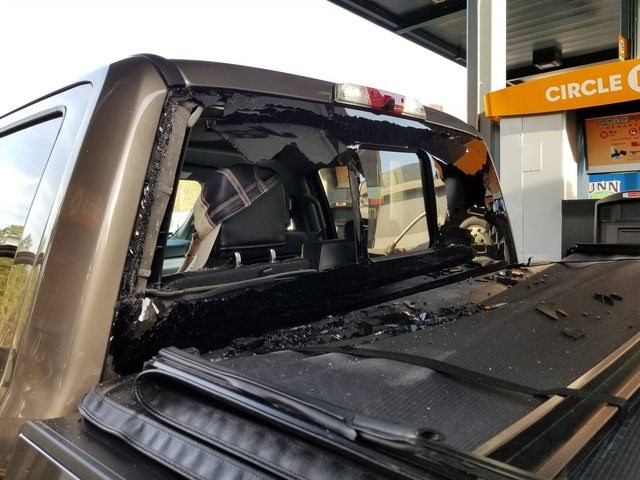
Ouch, protect your trucks back window
MrTruck.com MrTrailer.com MrTruck.TV
The Real MrTruck.com Research, Pickup Truck-Trailer and Accessory Reviews: H. Kent Sundling (MrTruck) Publisher/editor, Dan Atkinson thumbnails. Published in USA, World HQ, Denver CO. Ph. 303-883-1300 | Email [email protected] Founded 1999. Copyright © H. Kent Sundling, All rights reserved. Email for free reprint & picture permission. MrTruck has towed trailers for over 50 years.
Join us for 3 weekly RFD TV segments on Equestrian Nation with MrTruck: this week: Altor ICON trailer lock
YouTube.com/MrTruckTV Celebrating our 25 years, 1999-2024 with no government bailout money. “MrTruck’s” Free Reports on Buying the Right Truck/SUV for You ! Pickup Truck Reviews, Horse Trailer Reviews

Extreme Trailering Towing Two Trailers Together
Safe, Secure Ordering, Questions on orders call 303-883-1300
We don’t share your information
The real MrTruck’s Top Picks, Truck, SUV & Trailer Accessory Store, ENTER We Review Truck & Trailer Accessories and Sell the Best. Towing Store Always a safe secure website for ordering your Truck/SUV products.
MrTruck.com Research, Pickup Truck-Trailer and Accessory Reviews


New Featured Trailer Products and News
 We finally found the best trailer coupler lock for bumper pull conventional trailers. We review, test and install my favorite trailer lock. Altor ICON is the best lock for securing your trailer and equipment, and it’s also very easy to use. Watch our test, review and install. Just look at the ICON lock, it’s intimidating by the size and shape. ICON Lock is like no other conventional trailer coupler lock. Protects against the new type of trailer thieves’ that has cordless power tools. See the test/review/install for Altor ICON, click
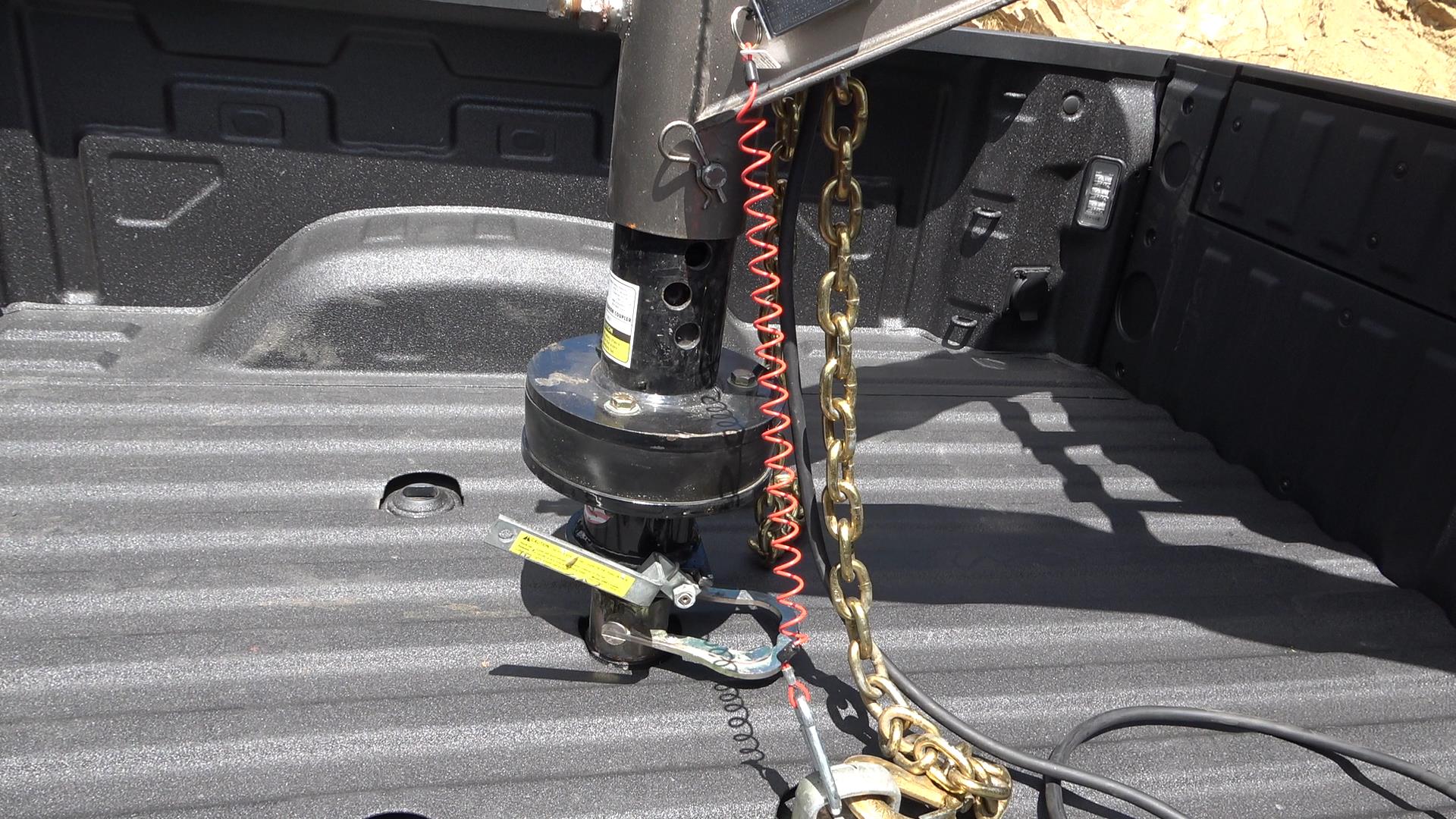
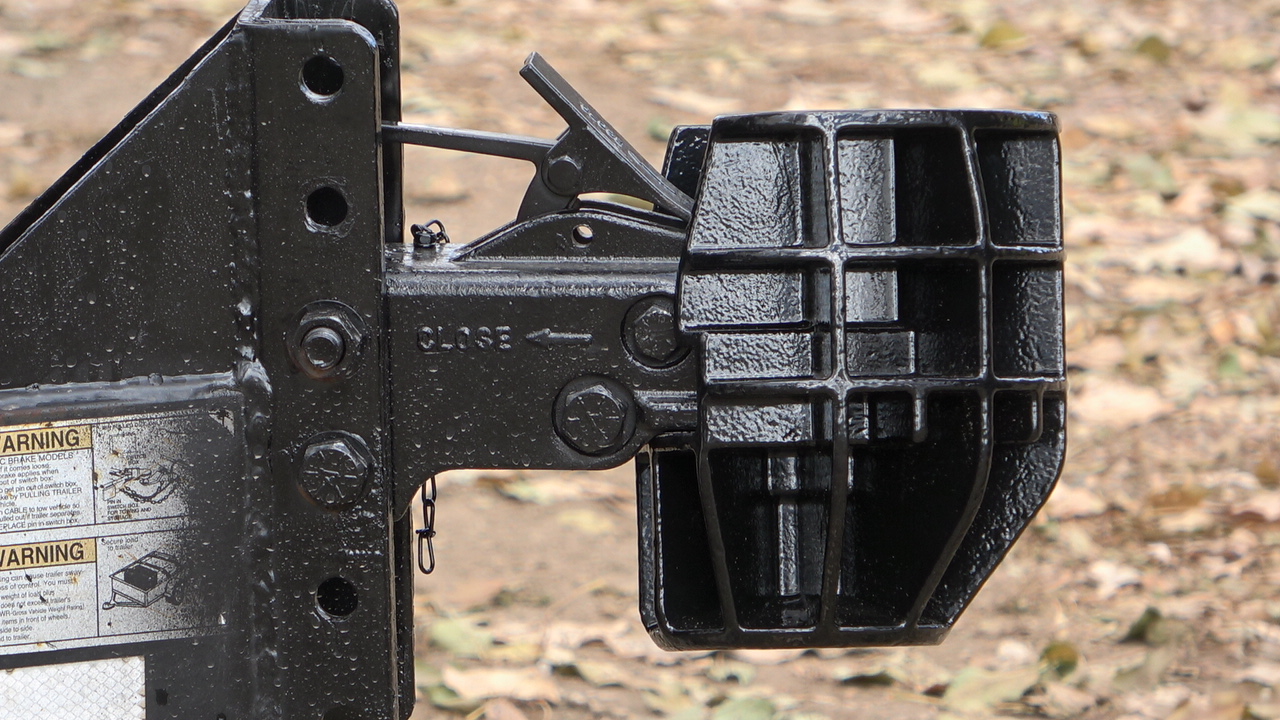
 Popup Hitch CC2 gooseneck Cushion Coupler. The CC2 Cushion Coupler fits standard 4” I.D. round gooseneck coupler tubes. The self-latching cast coupler has a handy hitching guide and is “V-19” Rated at 28,000 pounds. It latches when the trailer is lowered onto the ball and releases remotely. New video shows what the CC2 can do to improve the ride towing trailers. Read more and watch the new video: Click….
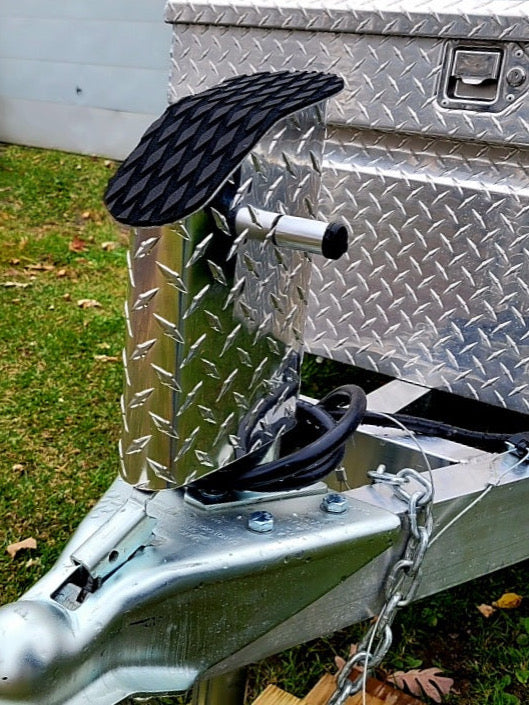 Trailgate Christmas Special: 20% off through Christmas Eve and free shipping. New product to protect your trailer jack, prevent theft and protect your trucks expensive tailgate! Two video’s to explain it, install it and love it. Trailer lock designed to protect your trailer & tailgate. For special order jack style please call 517-302-2390. Protects against major damage from accidental tailgate dropping, weathering, corrosion, freezing & unauthorized tampering. Proudly made in the USA with 16ga diamond plate aluminum with solid welded seams for durability. Comes with Stainless Steel Receiver Lock. 90 day warranty provided for defects. Read more and videos…
Travel-N-Corrals

 Trail riding and Travel N Corrals go hand in hand. Easy to take with you, easy to setup. Horses tied to a trailer for hours can cause problems. Keep your horses relaxed in a roomy corral as you enjoy the great outdoors between rides. Sleep well at night with your Travel N Corrals placed where you want them and in plain site of your bedroom window. If you go to high school rodeo’s, you will see portable corrals everywhere. Families enjoying each other and security for the horses when everyone is running…More…
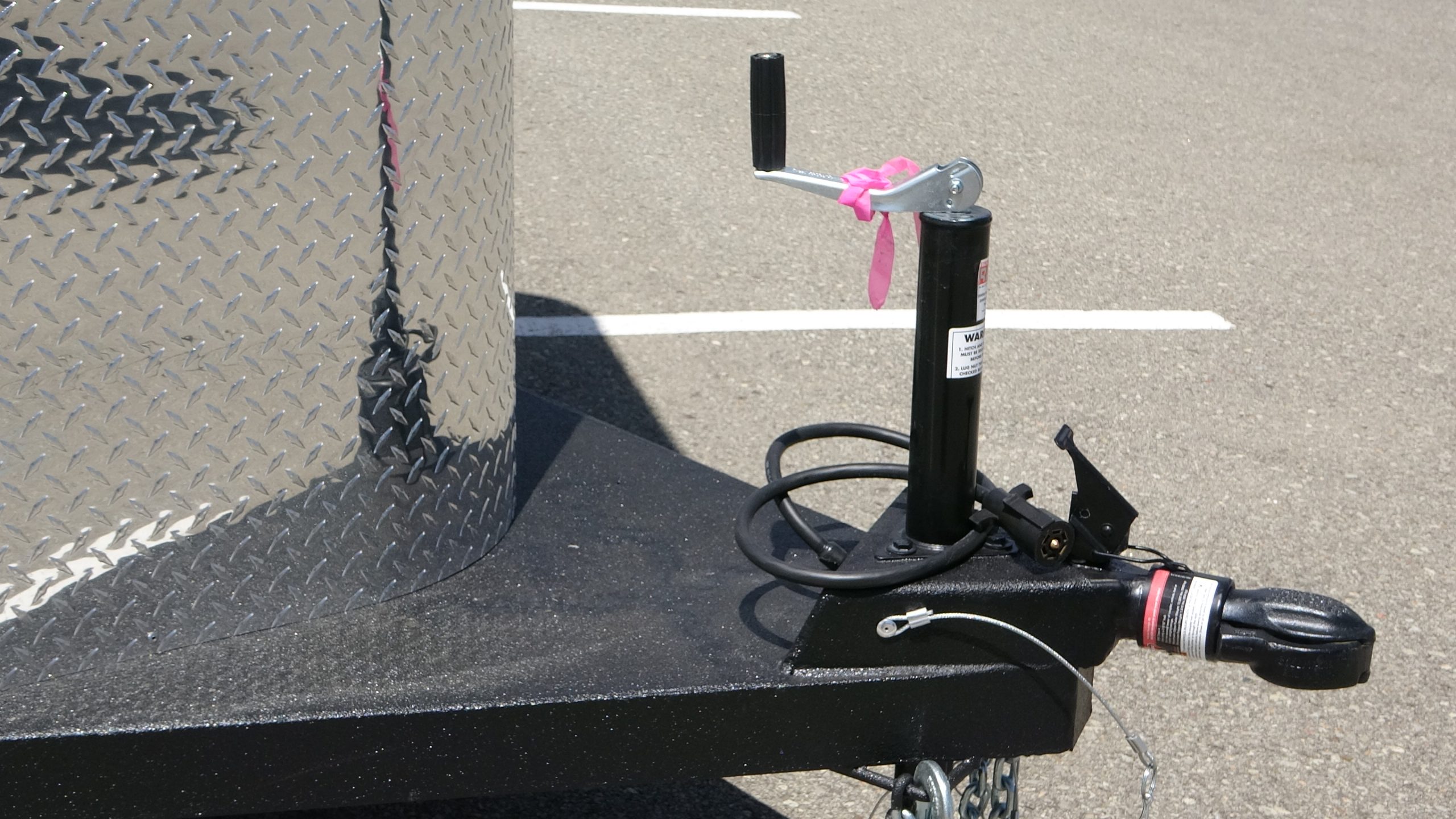
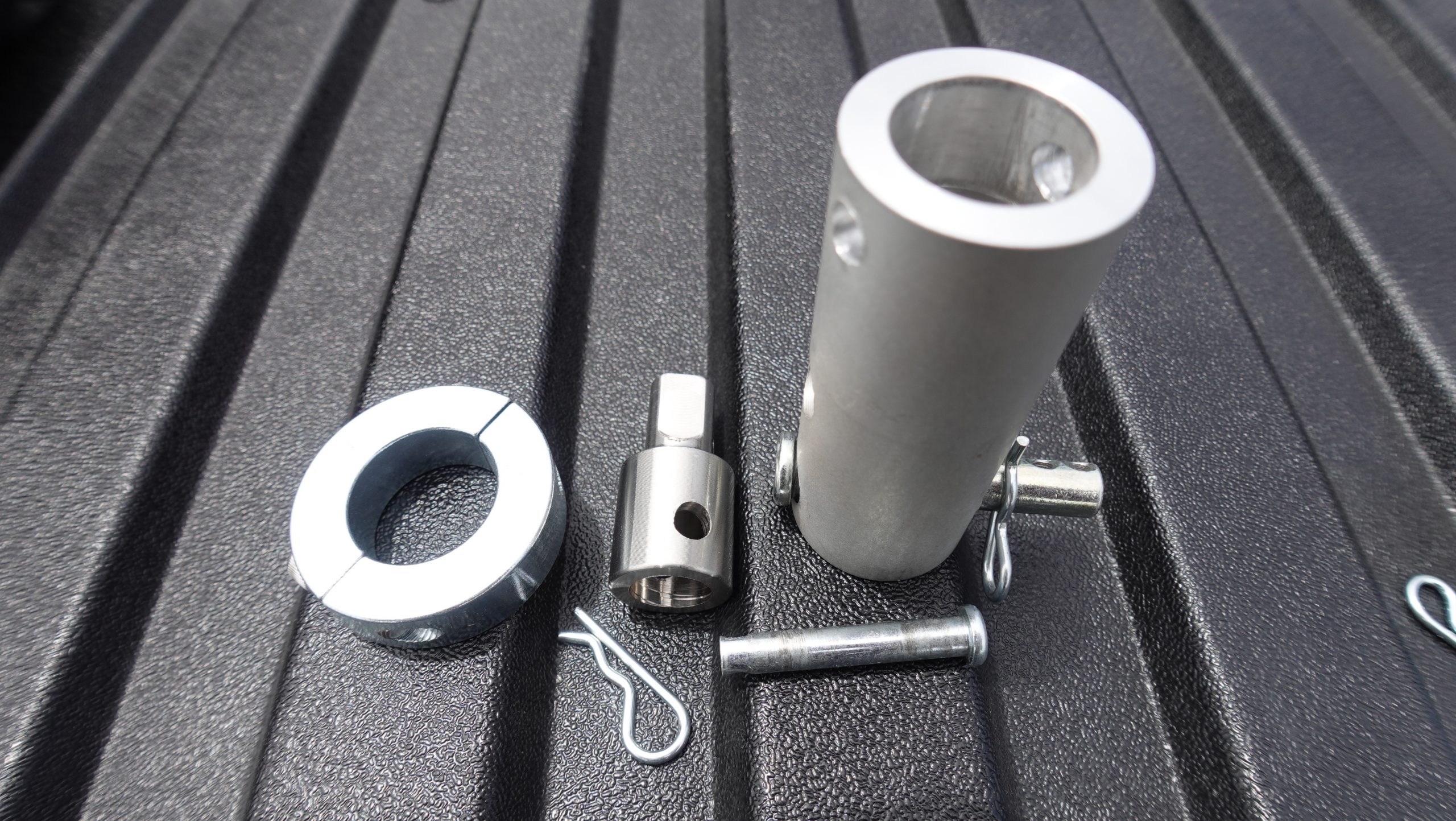
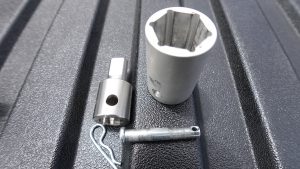
Raise any Gooseneck or Bumper pull trailer off your Pickup Trucks ball in 7 seconds, with this Power Lift Adapter from Kwick Kranker. Sale price $157. No more cranking your manual trailer jack a few hundred times. New products from Kwick Kranker for any trailer top or side crank jack are a two for one deal. On sale now for only $157. That’s a driver tool that works for both sizes of top cranks and a collar for side cranks or 2-step hex collar. The Kwick Kranker Top Kranker, if you have a cordless 1/2 in. drill, you can create a power trailer jack. Recommended by trail riders. See the review and video for Top cranking jacks
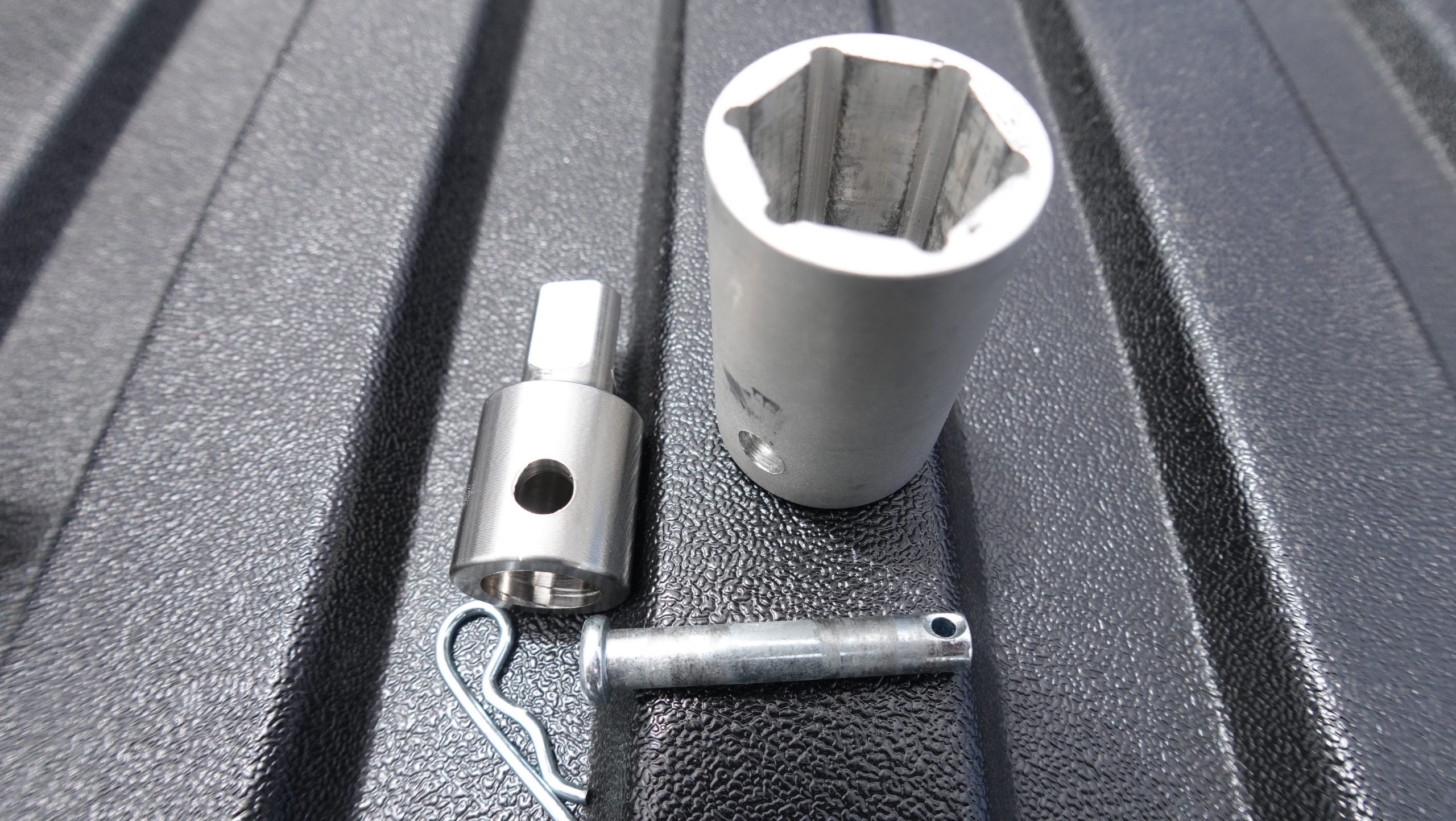
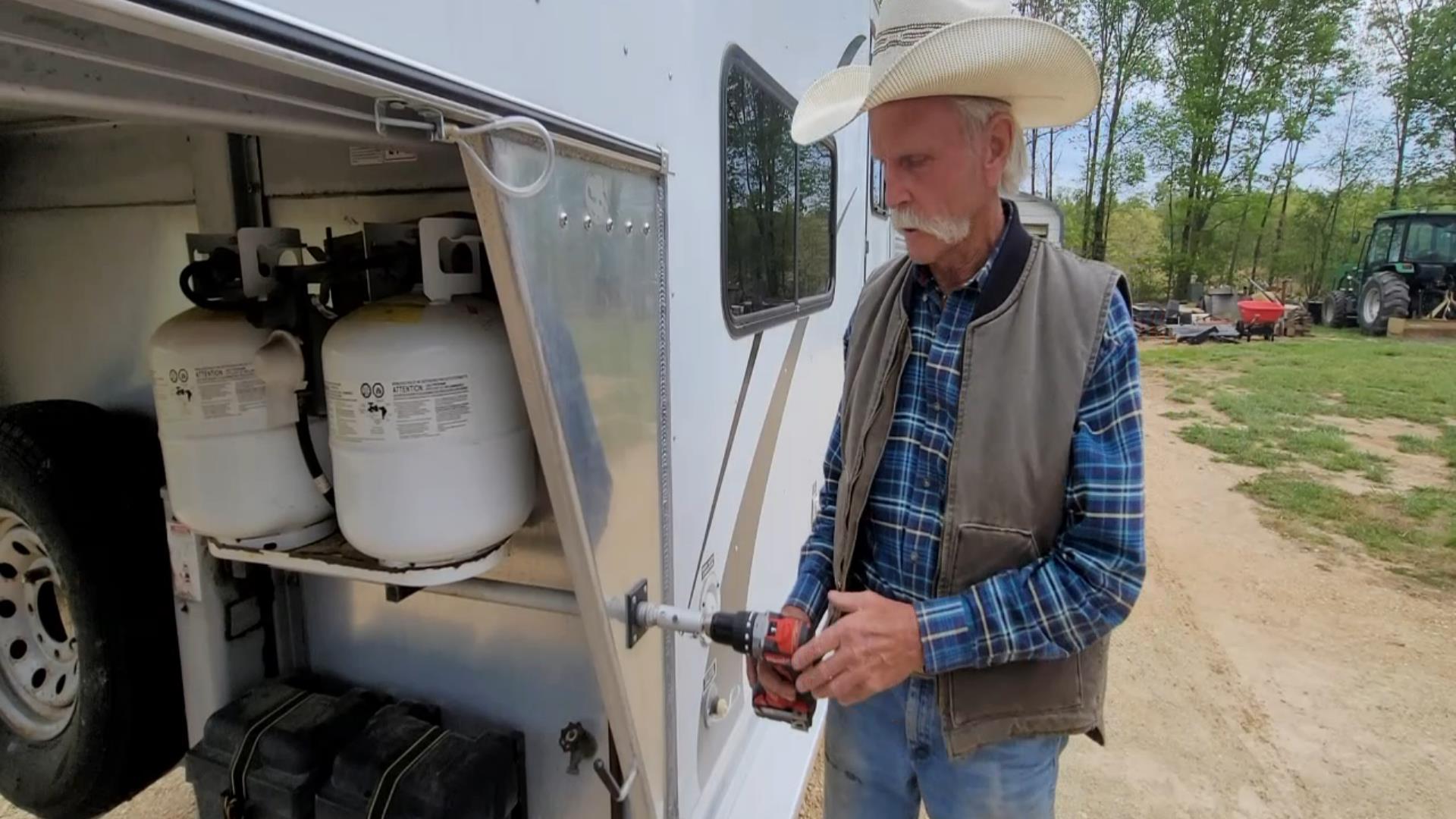 Kwick Kranker, How many cranks does it take to get your trailer off the ball? If you have a cordless 1/2 in. drill, you can create a power trailer jack. Check out my video review and see how it works Side Kwick Kranker New Kwick Kranker for Dump Trailers, click. Kwick Kranker is a new tool that will be your only trailer jack. You probably already have a 1/2″ cordless drill. Why buy a hydraulic trailer jack for $1500, batteries, wiring and maintenance? When your electric drill can raise and lower, your existing trailer manual trailer jack in less than 10 seconds. You need a gooseneck power lift adapter from Kwick Kranker. Click for more…
Cimarron Review 2023, new factory and new trailers
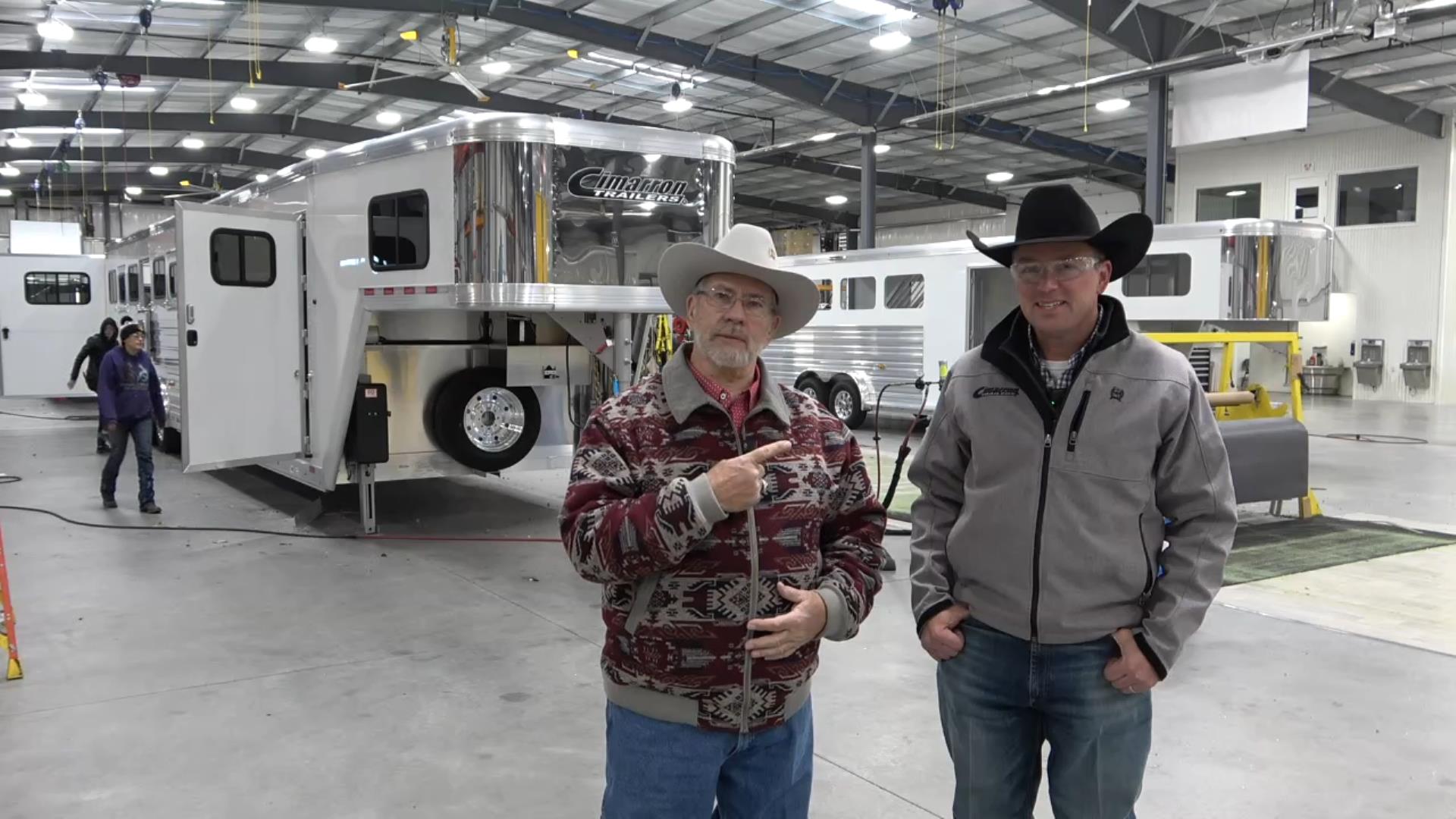
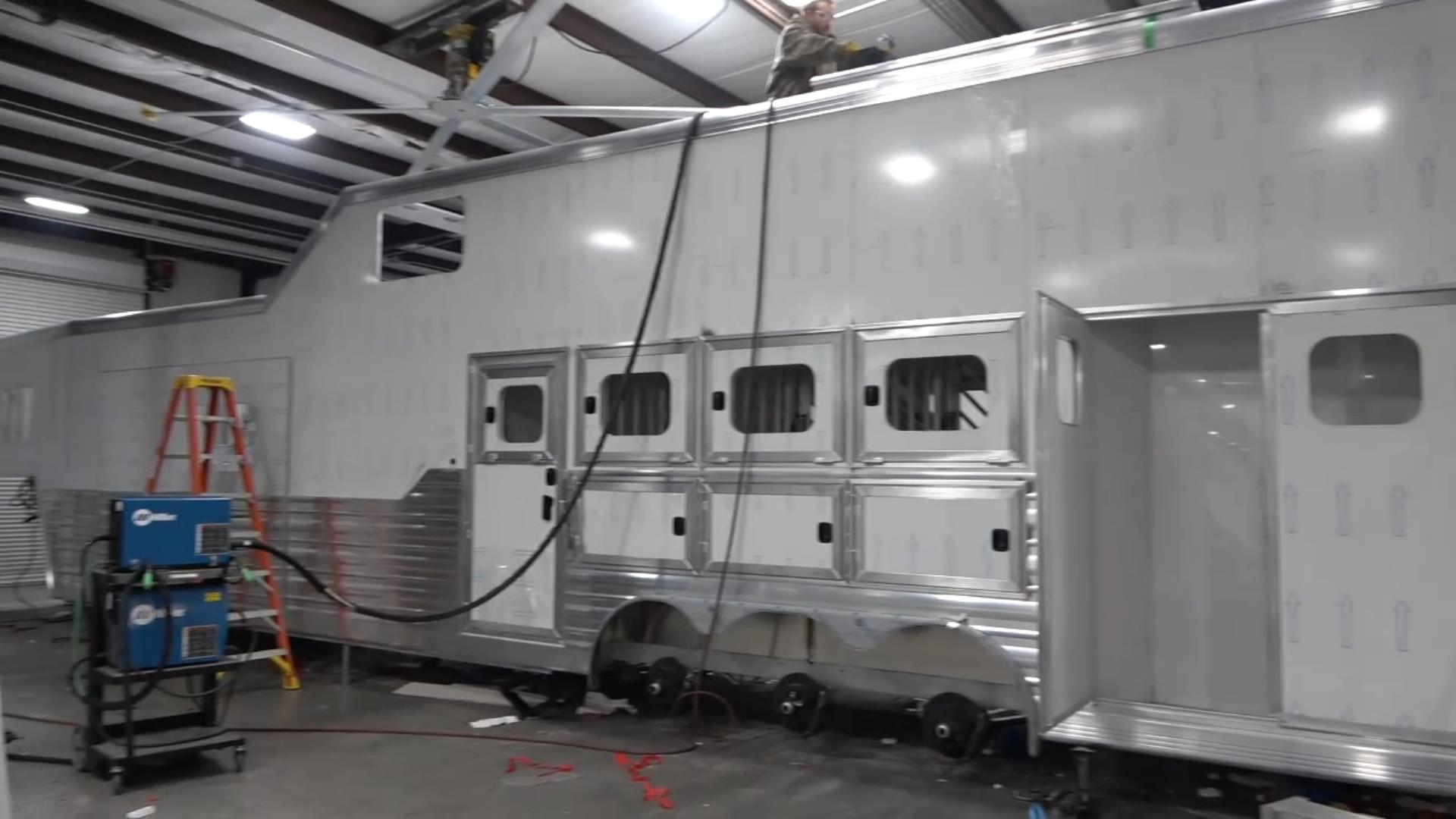 MrTruck tours the new facilities in Chickasha Oklahoma. Home of the top aluminum horse trailers and show animal trailers. Four options for Living Quarters. Fiberglass honey comb gel coated roofs are cooler, quieter and hail resistant. Dog boxes, built with the same quality as horse trailers. Robot welders make consistent welds on steel goosenecks. Even the axles are power cleaned and painted. In the new trim shop is a tornado shelter with 12 in. cement walls and ceiling keeps employee’s save in Tornado alley. Cimarron is owned by it ‘s employees, so everyone works for the same goal. Which improves quality and efficiency building quality trailers. Cimarron Trailers Part one, the trailers; Part two, the new factory;
New Truck Reviews for 2023 and beyond
MrTruck and Andre with TFLtruck review 5 mid-size body-on-frame pickup trucks, in a extreme detail run up the Ike towing trailers.
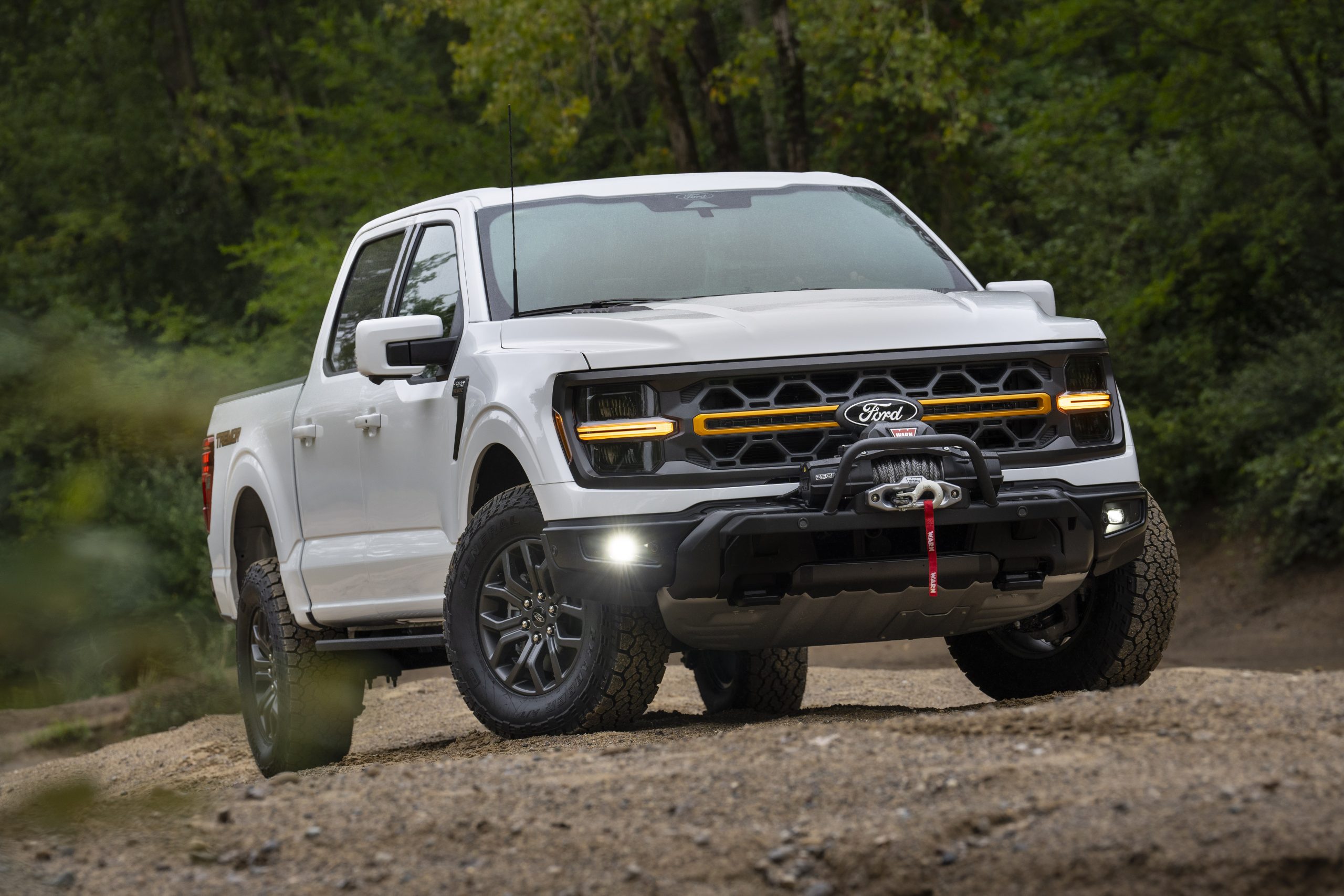
2024 Ford F-150 preproduction model shown with Ford accessories and optional equipment. Available Spring 2024. Actual production vehicle may vary.
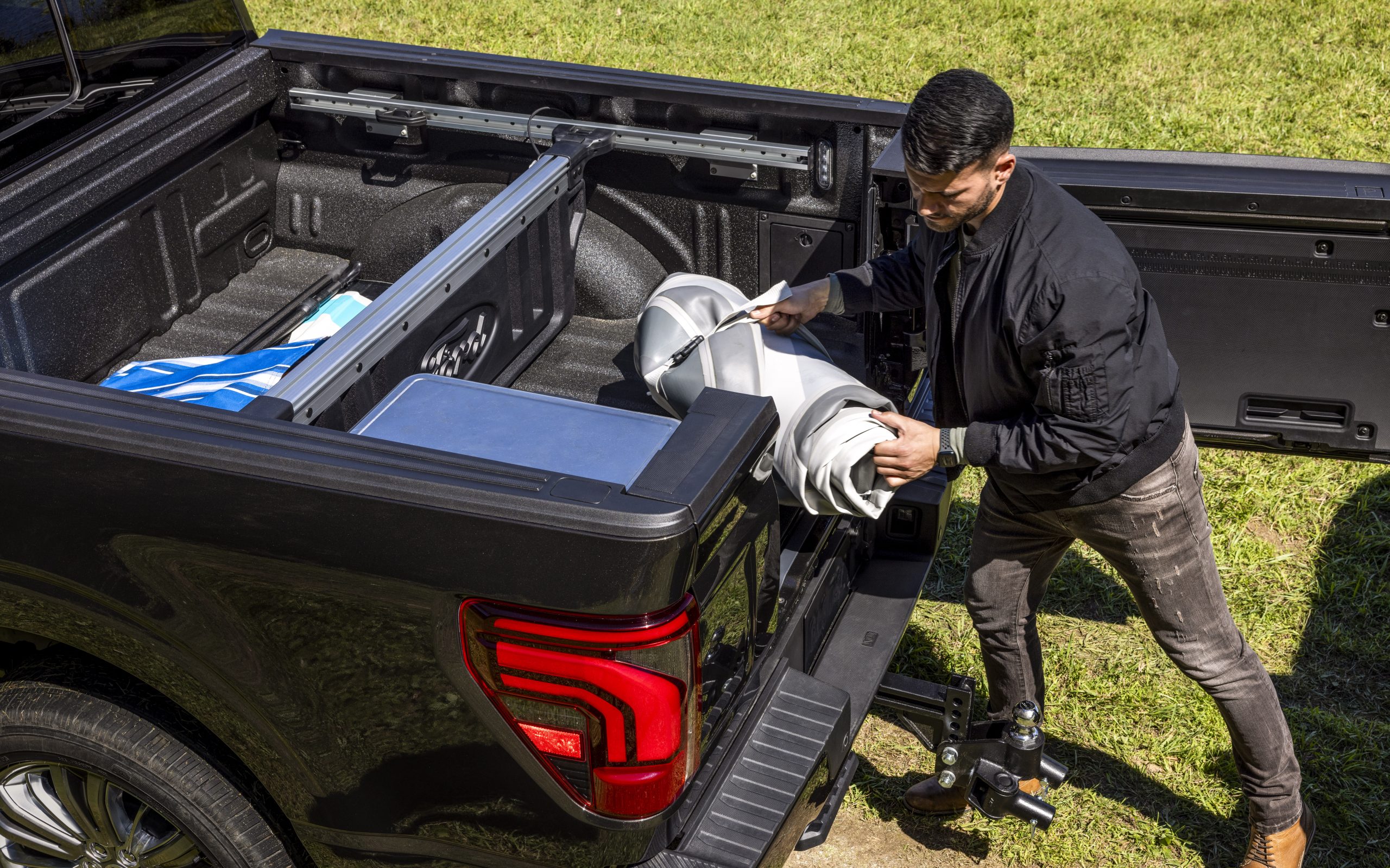
2024 Ford F-150 preproduction model with Ford accessories shown. Available early 2024. Actual production vehicle may vary. Pro Access Tailgate Available Spring 2024.
The New 2024 Ford F-150: A Built Ford Tough Truck that is Smart and Powerful to Conquer Life’s Challenges See the full story….
“If they start as better ideas, they stay better ideas,” reads the headline of a 1966 Ford print ad showcasing four inventions, including a dual-action tailgate – a forerunner of the modern-day truck tailgate that now features handles, steps and work.
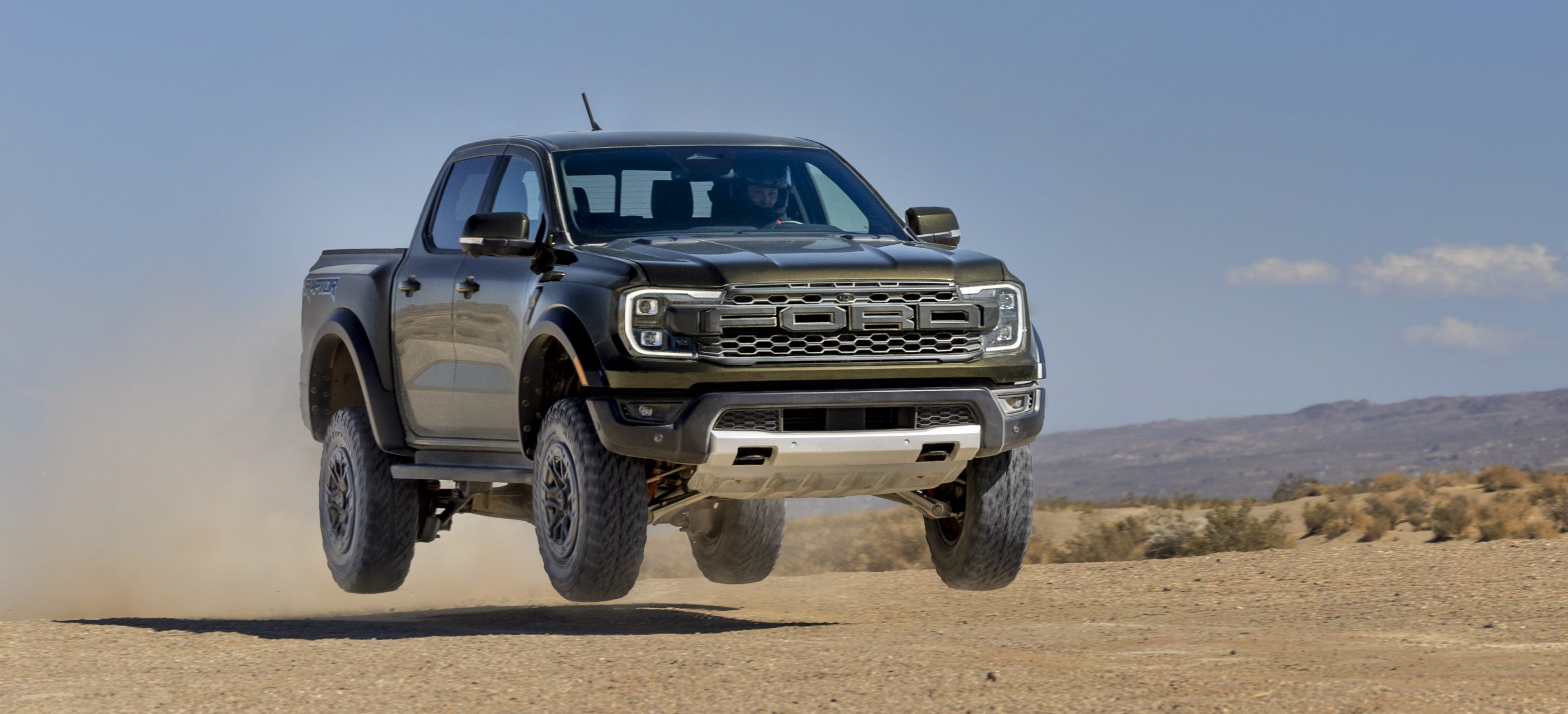
All-New 2024 Ford Ranger and Ranger Raptor, is The Most Connected and Capable Ranger Ever – Tested Globally and Proven Ready for Epic Adventures: Ford raises the bar again for midsize truck customers seeking adventure with a fully redesigned 2024 Ford Ranger® engineered Built Ford Tough®, with a standard 2.3-liter EcoBoost® engine and more powerful available 2.7-liter EcoBoost® V6*, plus new driver assist technologies and features to make driving easier both on- or off-road. Read the specs and video
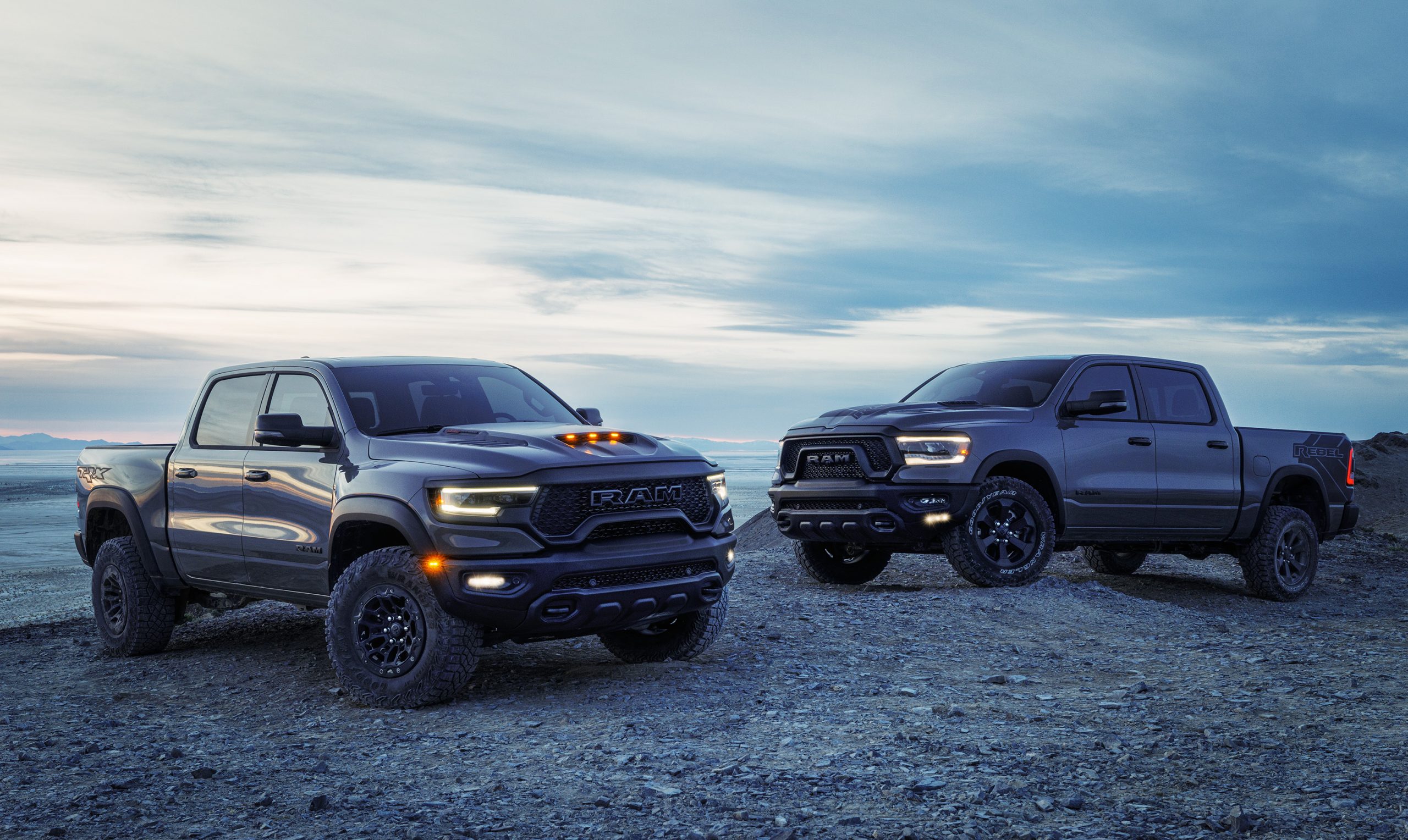
That’s No Moon: 2023 Ram 1500 Rebel and TRX Lunar Editions Join Light-duty Lineup. New Ram 1500 Rebel and TRX Lunar editions offer customers even more personalization straight from the factory. 2023 Ram 1500 Rebel and TRX Lunar editions expand the color palette with new, exclusive Ceramic Gray exterior color for North America’s leading off-road truck offerings. Ram 1500 Rebel and TRX Lunar editions, available in extremely limited quantities, later this spring 2023 Ram 1500 Rebel, TRX Lunar Editions Join Light-duty Lineup

New 2023 Ram 1500 TRX Havoc Illuminates Expanded Light-duty Lineup
- New Ram 1500 TRX Havoc Edition offers customers even more personalization straight from the factory
- 2023 Ram 1500 TRX Havoc Edition expands the color palette with new Baja Yellow exterior color for the quickest, fastest and most powerful mass-produced truck in the world
- Ram 1500 TRX Havoc Edition, available in very limited quantities, from the first quarter of 2023 See the news…
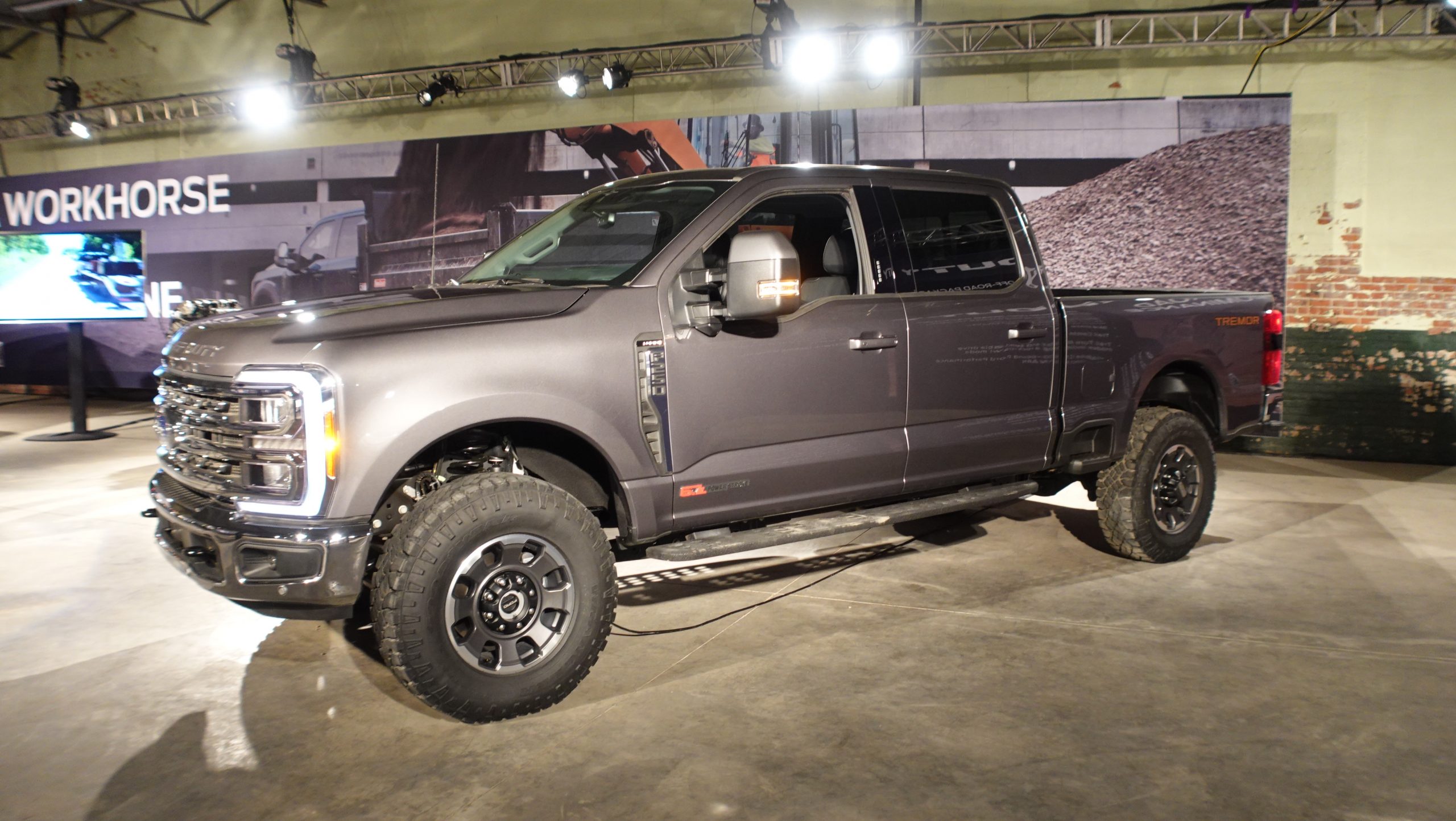
Finally all the 2023 Super Duty Specs: Power and Torque, towing and more. All-New Ford F-Series Super Duty Takes Heavy Duty Triple Crown with Best-In-Class Towing, Payload and Power. The all-new 2023 F-Series Super Duty is unrivaled among heavy-duty pickup trucks with the best towing available for every trailer type and maximum available towing of 40,000 pounds*, best-in-class maximum available payload of 8,000 pounds**, and 500 horsepower and 1,200 lb.-ft. of torque*** from the new high-output 6.7-liter Power Stroke V8 diesel See the specs….
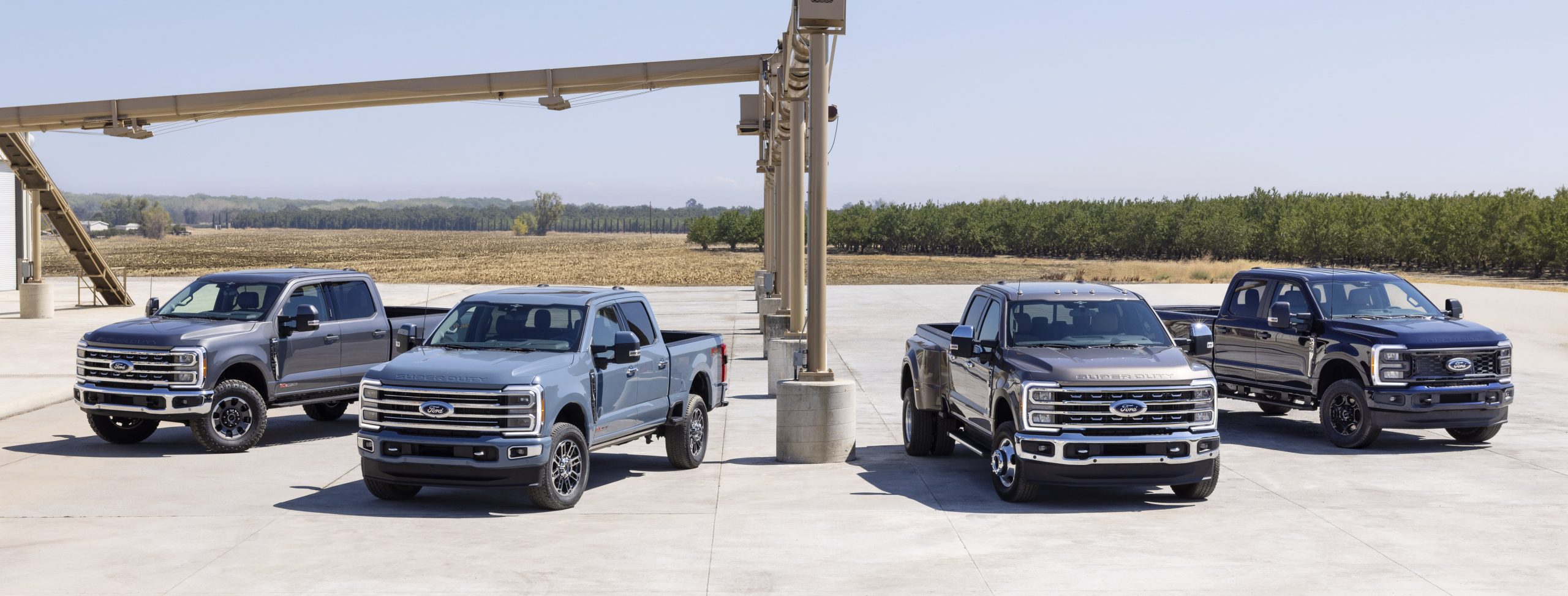 Yes the 2023 trucks are coming, may not be until the end of the year. Supply shortages, labor problems, chip shortages, it’s been a strange year after 2 already strange years. But We’re seeing new truck launches coming. Chevy/GM heavy duty is changing in 2024, Ram Rebel is going to a heavy duty in 2023 and Ford will have a 2023 that is mostly new. I went to the 2023 Super Duty launch in Detroit last month. Ford has 2 new engines for a total of 4. The new 6.8L is just a smaller version of the 7.3L both gas. In diesels, new is the High Out put 6.7L. See the video’s and specs.
 New 2023 Ram 2500 Heavy Duty Rebel Unveiled at State Fair of Texas with Exceptional Off-road and Towing Capability: Available with 6.7-liter Cummins Turbo Diesel Engine
Ram continues to build its off-road truck portfolio and fortify its position as North America’s off-road and performance truck leader. New 2023 Ram 2500 Heavy Duty Rebel, positioned between Laramie and Power Wagon, offers enthusiasts off-road performance features straight from the factory. More….
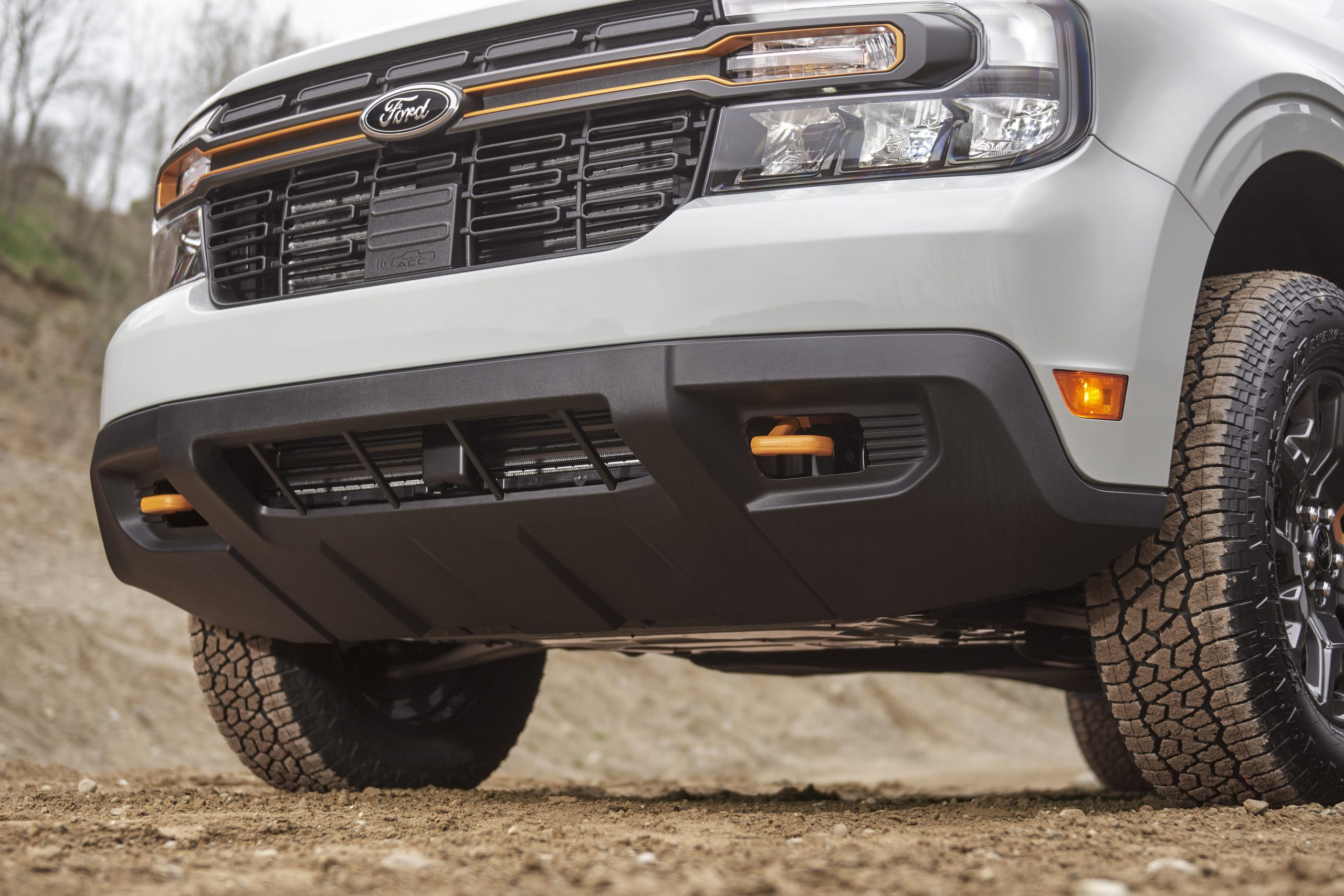 New Maverick Tremor Off-Road Package Revealed as Ford Re-Opens Retail Order Banks for Its Hottest Vehicles. New Maverick Tremor™ Off-Road Package becomes available as retail order banks re-open for Ford’s highest-demand vehicles, including Bronco Sport, Explorer, Edge, Ranger, F-150, Super Duty and Transit. The new Tremor package is available on XLT and Lariat series trucks and includes a 1-inch lift for greater ground clearance, exclusive Trail Control™, unique off-road-tailored front and rear suspension, advanced all-wheel drive with four-wheel-drive lock and 2.0-liter EcoBoost® engine. More….
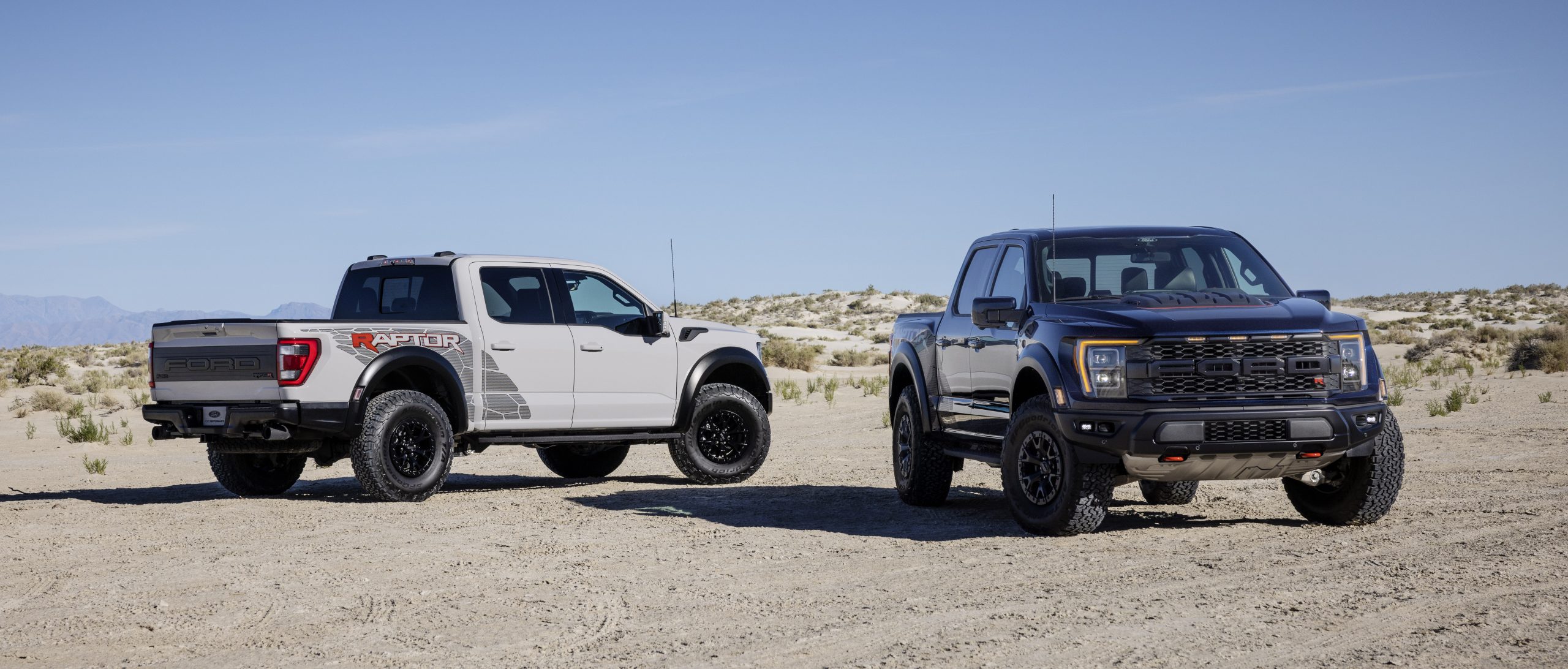
700 Horsepower! New Ford F-150 Raptor R Is Most Powerful Raptor Ever for High-Performance Off-Roading. Ordering opens today for the new 2023 F-150® Raptor™ R, the most powerful F-150 Raptorever, featuring a new 5.2-liter supercharged V8 that cranks out 700 horsepower and 640 lb.-ft. of torque for even more extreme off-roading. Next-level trail-conquering capability starts with long-travel suspension featuring FOX Live Valve shocks specially tuned to take advantage of the truck’s V8 power; standard class-exclusive 37-inch tires and class-best ground clearance offer improved confidence and control over harsh terrain. See the story….
Featured Trailer Products
Centramatic Balancers for trailers
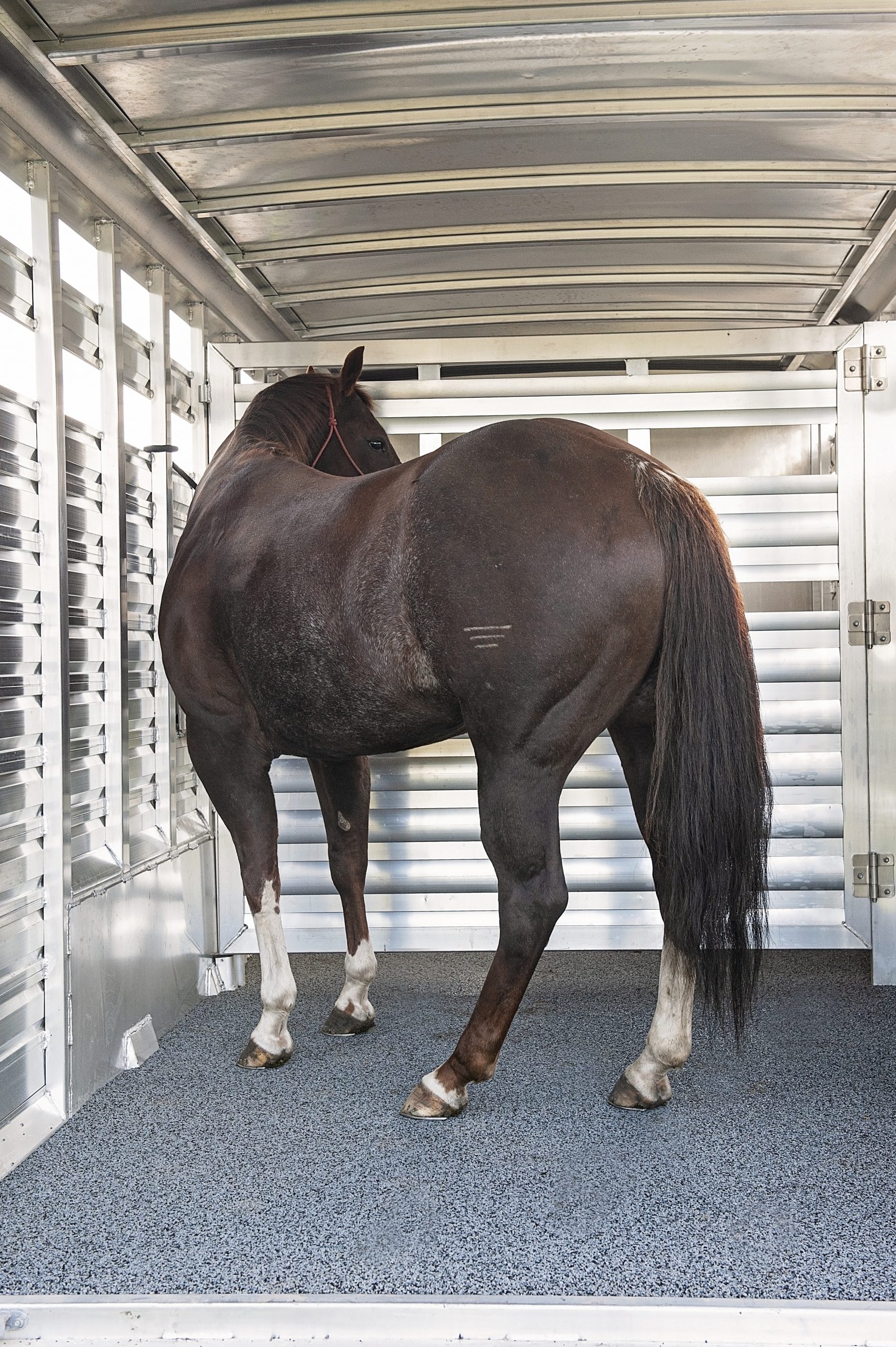 Hoof Grip, it’s Super Floor, been around for years, in horse trailers, in barns, sidewalks, sale barns, vet clinics, patio’s, dog kennels, playgrounds and truck beds. The video’s below tell the story. Made from ground tires (recycled) it gives cushion and traction. First place I saw it was on playgrounds. around merry-go-rounds where kids fall down and bounce back up unhurt.

 Weight Distribution Keeps You Safe
Have you ever driven by a vehicle towing a trailer and noticed the trailer tongue or back of the tow vehicle sagging? Without weight distribution, the trailer’s tongue weight added to the tow vehicle can cause it to “teeter-totter” over the rear axle which lifts the weight off the front wheels. This can cause a serious loss of steering and braking control, and can also contribute to a setup that is more likely to sway. Equal-i-zer transfers tongue weight to all axles. More….

 Weigh-Safe: Now with Weight Distributing Hitch built in and sway control. Do you know your trailer tongue weight, ask the judge. On a bumper pull trailer, if you have too little tongue weight, the trailer can sway and be dangerous. Some trailer have their axles too close to the middle and are susceptible to sway anyway. If you have too much trailer tongue weight, your truck or SUV will squat excessively, aim your headlights to the stars and stress your trucks rear axle, brakes and suspension. What you need to know….

 Equalizer Systems Trailer Jacks From MrTruck.com Research Pickup Truck-Trailer and Accessory Reviews

 Equalizer Systems hydraulic horse trailer jack for smooth power. Equalizer Systems Jacks, you see them everywhere. Over 70% of horse trailer manufactures equip their trailers with them. So service and parts are easy to get with the largest trailer dealer network.…the review Twenty years ago, Equalizer introduced hydraulic jacks to the horse industry. Horse trailer manufacturers use them because they are dependable and easy to work on. With a manual backup hand pump, Equalizer jacks will always do their job…the review
 (http://www.norstarcompany.com/trailer…) Our new truck review test trailer. King of the Road, this Iron Bull dump trailer with 3-way tailgate, folding sides and ramps. The most versatile trailer I’ve seen. Load from the side, over the side, rear ramps, we load skid steer loader, side by side and a short bed Dodge Ram. It dumps hydraulically to almost 45 degrees. 8 ft. by 16 ft. heavy duty steel, 10 in. I-Beam frame. Watch video…
Tuson Sway Control, ultimate trailer sway control for safer trailer towing. Tuson, the folks with trailer ABS and DirecLink trailer brake controller, now have a module that controls sway on bumper pull trailers. It will actually steer the trailer left and right to keep the trailer towing straight. If you have a sudden gust of wind, get cut off on a freeway or have your trailer load shift, Tuson Sway Control will keep the trailer towing straight. The module automaticly reads how worn your trailer brakes are and how big your trailer is and uses your trailer brakes accordingly. More…
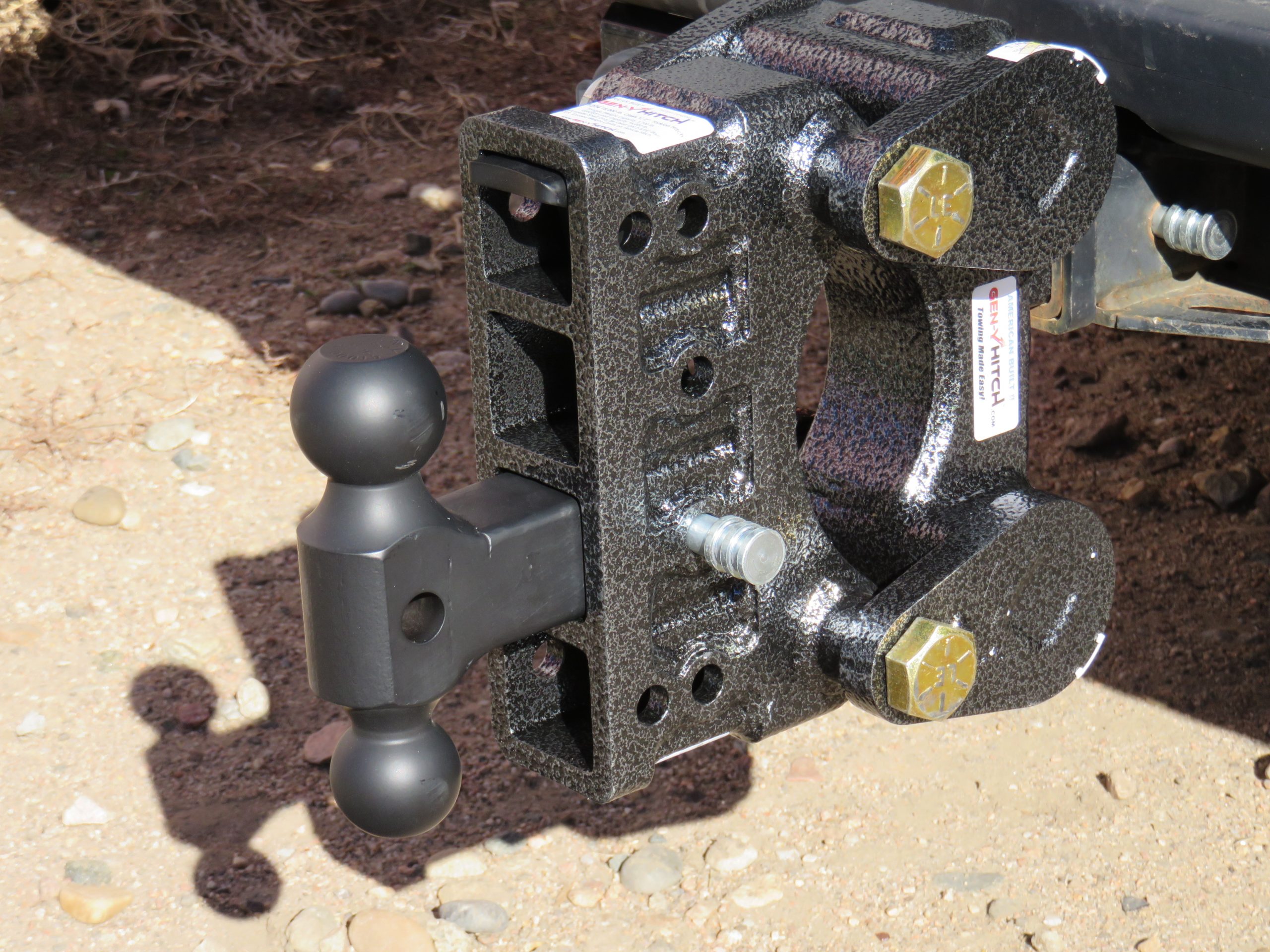
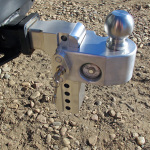
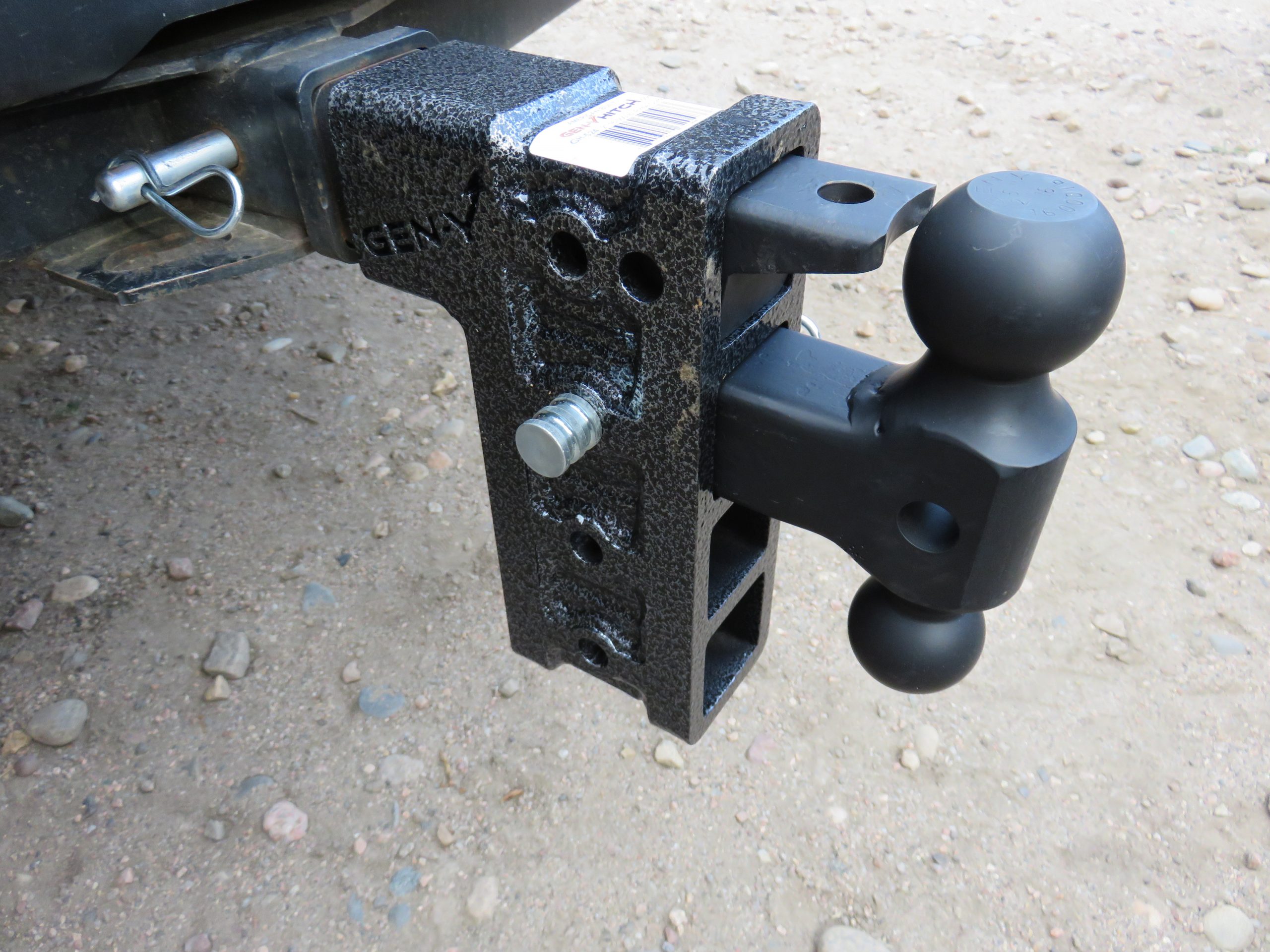 Gen-Y Hitch heavy duty adjustable drawbar for today’s powerful trailering trucks: One company that has kept up with new heavy-duty trucks is Gen-Y Hitch. (//www.genyhitch.com) These steel adjustable, multi-ball, multi-height, pintle, weight distributing hitch is the highest trailer rated hitch I’ve seen. I own 10 adjustable receiver hitches. My highest rated hitch was 14,000 lbs. The one I’m using from Gen-Y Hitch is rated for a 16,000 lb. trailer with a 2 inch shank. For Class V receiver, 2.5 inch shank, trailer rating goes up to 20,000 lbs. Newest hitch is the Torsion Flex Hitch that isolates how your trailer bounces verses your truck for a smoother ride. Read the review…
MrTruck.com Research Pickup Truck-Trailer and Accessory Reviews
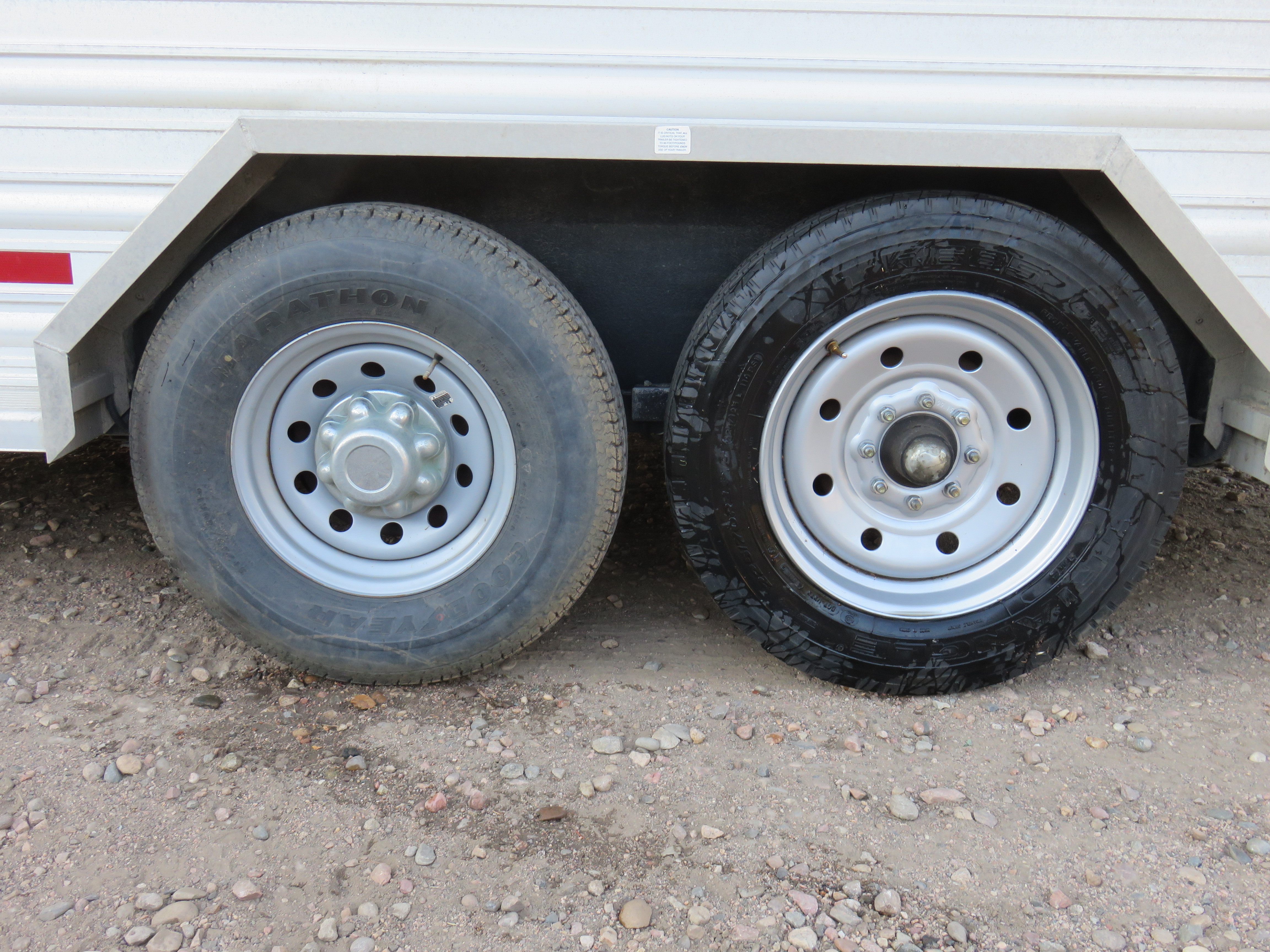 Trailer tires are the #1 problem on trailers. Of course we work on trailer wiring and wheel bearings too, but nothing costs as much in money and time than trailer tire blowouts. We have 6 test trailers. Just one of the trailers had 5 blowouts in a year. Not from overloading or heat like you’d expect. Trailer tires with tall side walls can flex more and create heat. Turning corners can make trailer tires flex and weaken along with just crappy trailer tires sitting all winter and the steel cords separating. In comes Boar Wheel and Tire with commercial trailer tires. They use 19.5 in wheels that are low profile side wall 14, 16 and 18 ply tires. But they fit where your 16 in tires do now so you don’t have to switch to bigger axles, bigger wheel studs and wheels or buy a new trailer. For the complete story, click…

 Tuson Trailer Tire Pressure and Heat Monitor: Trailer tires are the bane of my existence. In the last couple of years, I’ve had 5 trailer blowouts. And each time I had bent trailer fenders, broke clearance lights and demolished license plates along with expensive trailer tires. I found the solution, with tire pressure units inside the tires out of the way, just one repeater on the trailer to amplify the wireless signal to the truck and just a wireless receiver monitor in the truck cab. I can use itwith any truck or SUV, I trailer with. Just unplug the cord from the cigarette lighter and put it in the next truck. It’s very hard to find a tire pressure monitor system that goes above 80 psi. Tuson goes to 203 psi, And it also shows the internal tire heat. Just like racing at Indianapolis 500, you can know the tire temperature and pressure in real time. For the whole story click….
 New from Gen-Y Hitch, Gooseneck Torsion Suspension Coupler 4 in. Round & Square. Now you can isolate your gooseneck trailer bounce from your trucks bounce. Improve your ride, with Rubber Torsion Hitches only 10% of the trailer inertia transfers compared to 100% using a hard connection hitch giving you the ultimate control. Greatly increased braking control since all the weight on the tow vehicle and trailer is distributed evenly giving you increased positive contact when breaking and maneuvering. Read More…
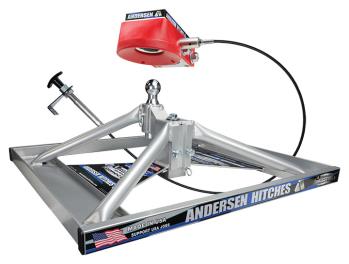 Andersen 3220-Andersen Aluminum Ultimate 5th Wheel Conversion Connection 2-gooseneck version and 3200-Steel Rail Version. Take the cluck out of your RV trailer hitch, get a smoother ride and a easier to clear out your bed when not trailering. …More info and order.
 The Fuel Box and new Dual Fuel Box: for tools and extra fuel to stay on the road longer. I like good tools, a tool box and fuel tank company in California makes this quality combo all in the US. It’s called The Fuel Box by Zylstra. The fuel tank is separate from the tool box, so it can be replaced separately if damaged, and being bolted together protects the fuel tank from toolbox floor impacts with hitches and chains you throw into the tool box. Z-liner Polyurea coating option, like a sprayed in bedliner keeps the tank… Read more…
Travel-N-Corrals

 Trail riding and Travel N Corrals go hand in hand. Easy to take with you, easy to setup. Horses tied to a trailer for hours can cause problems. Keep your horses relaxed in a roomy corral as you enjoy the great outdoors between rides. Sleep well at night with your Travel N Corrals placed where you want them and in plain site of your bedroom window. If you go to high school rodeo’s, you will see portable corrals everywhere. Families enjoying each other and security for the horses when everyone is running…More…
DirecLink Trailer Brakes

 Finally ABS brakes for trailers! DirecLink, Fast, smooth and safer than any brake system we’ve tried. We took our test trailer to the race track, smoked the brakes, burnt the seals and proved how dramatically superior hydraulic disc rotors, electric-hydraulic actuators, ABS modules and a trailer brake controller that networks with your trucks computer can be. Electric brake drums didn’t stand a chance in our side by side comparison. A big step toward safer trailering on our crowded highways and unpredictable weather patterns. Share this detailed report about the difference ABS trailer brakes can make.
GanderLock
 Ga
Ga nderLock, when you’re serious about Protecting your Gooseneck Trailer and Tack. Protect your trailer as well as your expensive saddles, bridles, tools and flat screen TV. Goosenecks are different from bumper pulls, if you just lock the coupler, the thief’s loosen the set bolts, slide out your adjustable coupler and put their own back in and away goes your investment. Think about what happens when your trailer gets stolen, arguing with insurance companies, banks and the police. I’ve been lucky not to many things stolen, but when it happens it makes you sick. Read the Review
Tuson Trailer Sway Control
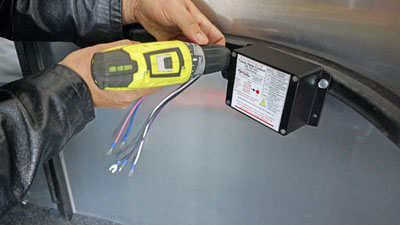 New from Tuson, automatic trailer sway control. The computer box controls your brakes left and right to straighten out your trailer if it sways from wind or evasive protective driving situations. Add to shopping cart Free Shipping See our test and full review of how the Tuson Sway Control works.
Popup Hitch
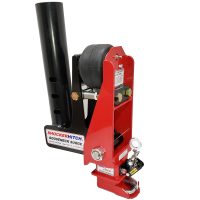
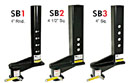
 I visited PopUp’s head quarters in Chanute Kansas this spring. Kansas, like Iowa is known for making farm machinery. PopUp Industries is in the part of Kansas, where generations of welders understand quality metal working. I first heard of PopUp because of their SB1 shortbed coupler. With shortbed trucks, now the most popular configuration, I hear from folks every week emailing me that they just crunched the cab…More…
Andersen No-Sway WDH After 2-years of development and road-testing, Andersen Hitches releases their new Anti-Sway, Anti-Bounce Weight Distribution Hitch. Instead of just improving on current models, Andersen completely redesigned Weight Distribution…leaving the competition in the dust. Watch my video and see what everyone is talking about… Free shipping Order Page
Centramatic
 Stop tire cupping, vibration and premature wear on those expensive truck, RV & trailer tires. Centramatic automatic wheel balancers have been saving money on tires for semi-trucks for over twenty years. Now you can automatically balance your tires, wheels, hub and rotors or drums while you drive. A balanced tire doesn’t cub, vibrates less & lowers the tire sidewall temperature from less flexing, giving you longer tire life. 5 year warranty, made in the USA More…
 Transwest Truck Trailer RV, selling Cimarron and Logan horse trailers. Ph. 303-502-9799. Whether you are new to horse trailers & need some extra help or you’re a veteran and want the best trailers, you owe it to yourself to visit Andrew Lyons and his crew of horse folks. Buy your horse trailer & truck together or separate and get the right advice on matching your needs the first time. Read more about where I ask trailer questions.
 New & Used Trailers–Trucks made for Towing–Trailer Repair & Upgrade–Truck Performance Products. Read more about where MrTruck asks trailer questions. 303-502-9799, Email: [email protected]
 MrTruck.com presents, on the road, in the cab with Dan, MrBigTruck
(https://mrtrailer.com/cody.htm) Float’n Drive, Dan shows us what goes on in the cab of a tractor-trailer rig. Shifting, braking, Jake Braking and the view of the road from a Semi-truck.
Hot Shot Trucks and Trailers Reviewed


 Now I’m posting notes from each chapter from our book, Truck Nuts.
Read Chapter One: The top five reasons why I drive a tall truck.
Chapter Two: Truck Shopping, dealing with dealers.
Chapter Three: New trucks verses Used trucks
Chapter Four: How to Match Your Truck to Your Trailer with truck classes explained
Chapter Five: Do you need a Weight Distributing Hitch with sway control
Chapter Six: Diesels are Different
MrTruck Insider Club: pages moved from MrTruck.net
Truck Safety: pages moved from MrTruck.net
 MrTruck’s Top 10 Trailering Tips to Save Your Life.
Trailering can be scary, especially downhill. It was tougher for me 40 years ago when the only gadgets were your trailer mirrors on your truck. Now with camera’s, backup systems, trailer sway control, and progressive trailer brake controllers, trailering is safer. This top ten list isn’t necessarily in order. Try to use them all. Read the article
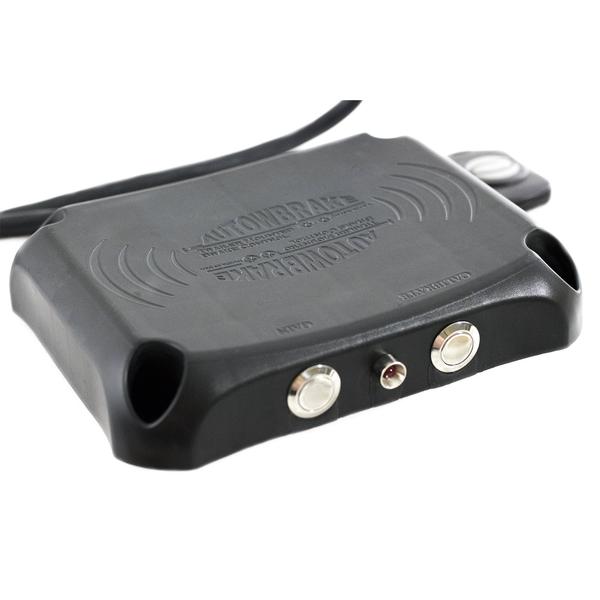 AuTowBrake is a trailer brake controller that stays on your trailer. That’s how it’s done in Europe, the trailer controls it’s own brakes. In the US, most boat trailers do the same thing with hydraulic surge brakes. AuTow Brake is an automatic electric surge brake. I’ve been using and testing this brake for years. The control box is weather proof, you can mount it outside or inside your trailer at any angle. New this year the key FOB that you can use to test you trailer brakes, now can adjust the gain on the go. AuTow Brake is smooth, it doesn’t jerk, push or pull your truck. More….
MrTruck.com Research Pickup Truck-Trailer and Accessory Reviews: Pickup Truck News

CA Conversions can convert almost any diesel to a Allison Automatic Transmission. Diesel engines are hard on transmissions. Transmission failure is common towing heavy trailers. CA overbuilds Allison transmissions keep you on the road not on the side of the road. Rebuild kits, parts and complete transmissions are CA Conversions bread and butter. Plus expert advice with decades of experience working with Allison and Borg Warner. Read More: http://mrtruck.com/ca-allison-conversions
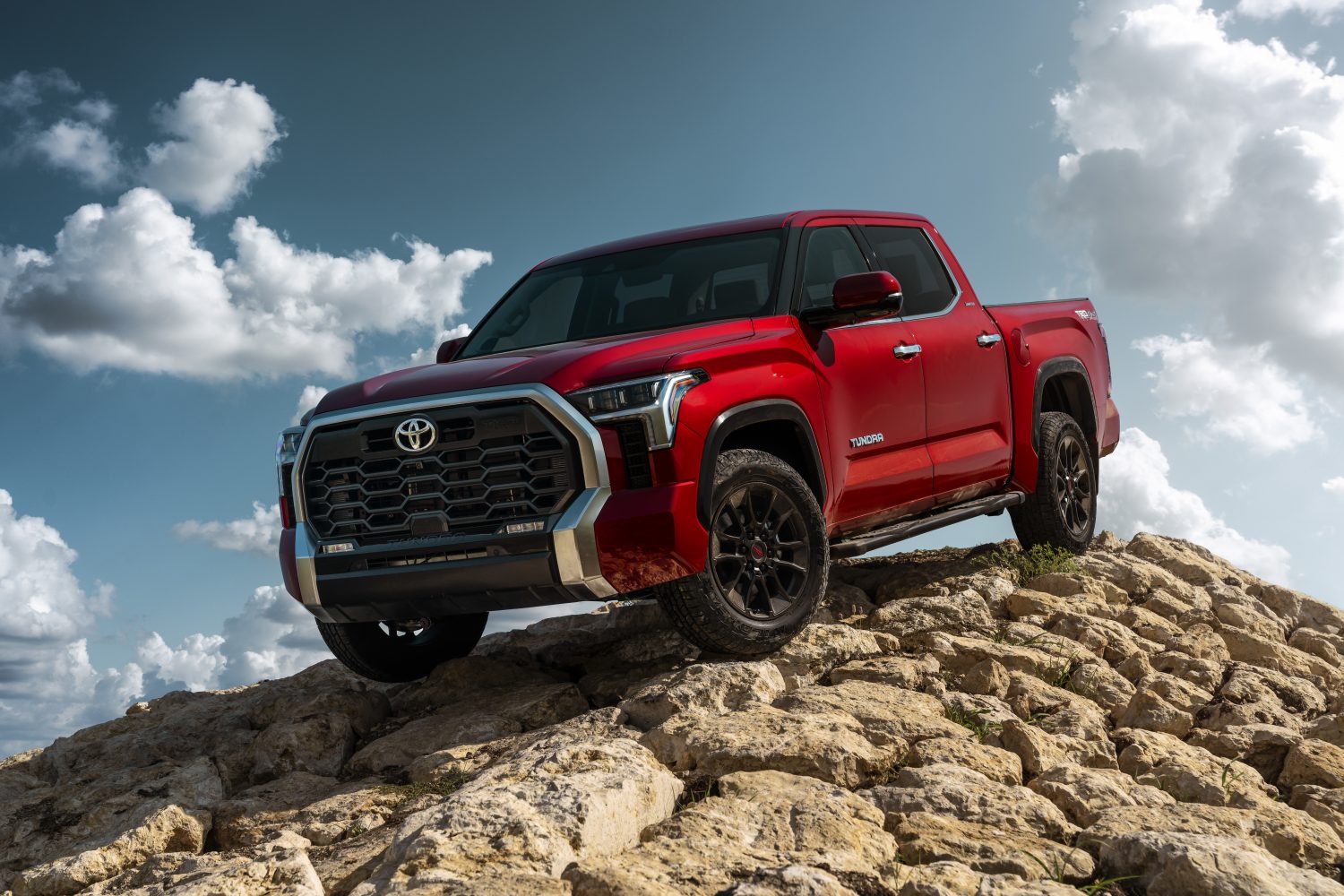 Finally the new 2022 Tundra is totally revealed 16 years after the first full size Tundra in 2007. The majority of what us journalist wanted changed has come true. The Crew Max now with a 6.5 ft bed along with the standard 5.5 ft bed. The 6-speed replaced with a 10-speed of course. New grill, new interior, new suspension, new bed, lots of LED lights. The grills are different for each model, no V-8, learning from Ford, only 2, V-6 3.5L twin turbos, the one in the TRD PRO is hybrid. Towing capacity is up to 12,000 lbs. properly equipped. See the story and video….
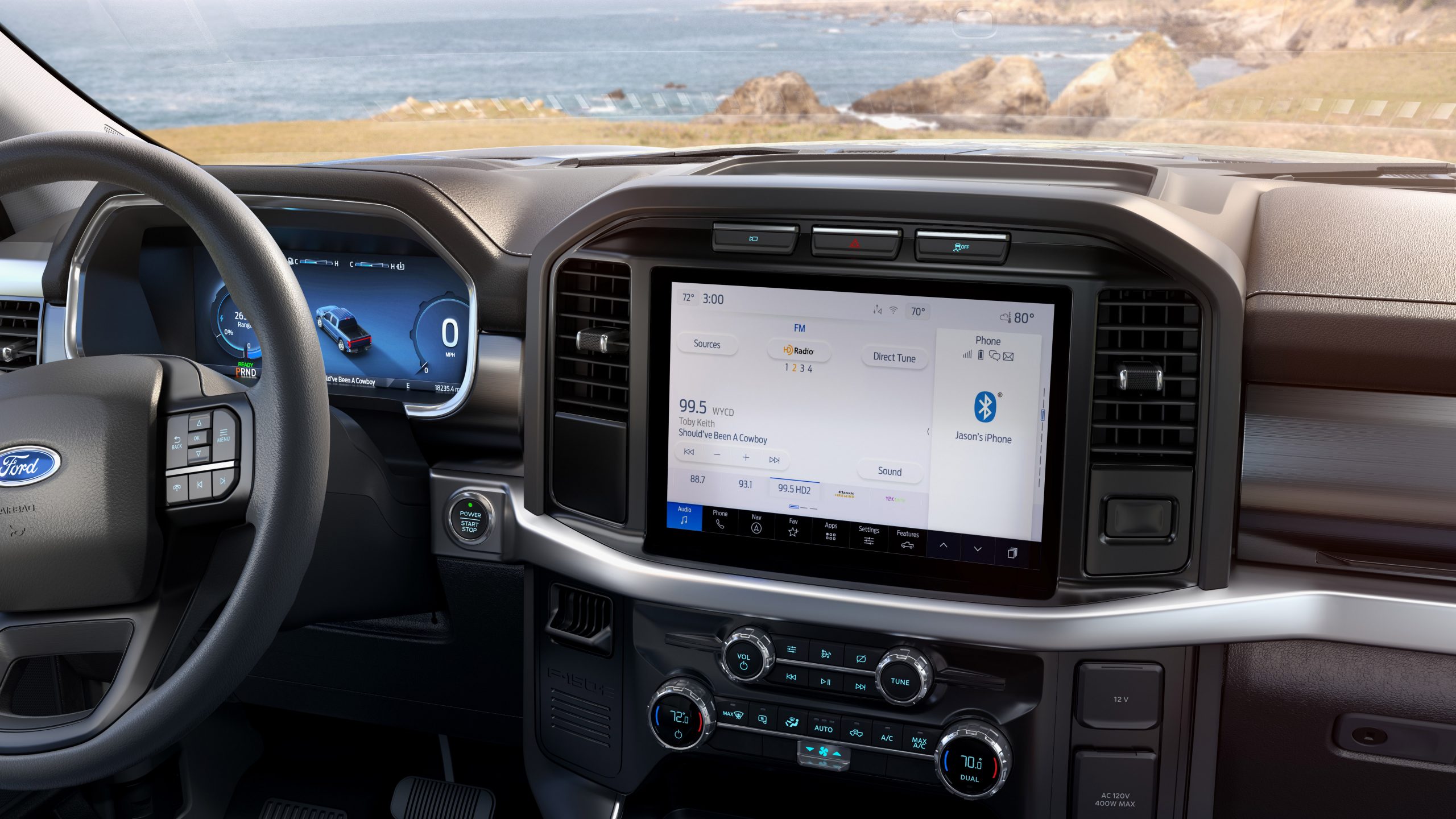
Built Ford Tough for commercial customers: Introducing the all-new 2022 F-150 Lightning® Pro – the first-ever all-electric F-Series truck purpose-built for commercial customers. Starting at an MSRP* of $39,974, F-150 Lightning Pro offers with standard range battery and dual motor power 4×4 targeting 426 horsepower** and a targeted EPA-estimated 230 miles of range†; available extended-range version targeting 563 horsepower. EPA-estimated range of 300 miles Read Details…
 Super Powers Only Electric Can Deliver
F-Series, America’s best-selling truck charges into the future with the F-150 Lightning, elevated by all the advantages of electrification and packed with connected technology. F-150 Lightning is a powerhouse that delivers a targeted 563 horsepower and 775 lb.-ft. of torque – the most torque of any F-150 ever – an exhilarating drive, a high-tech frunk, and the ability to power your home if needed. Details…
 DEARBORN, Mich., May 10, 2021 – Ford’s smartest, most innovative truck yet will be all-electric and called F-150 Lightning. The all-new F-150 Lightning will be revealed May 19 at Ford World Headquarters in Dearborn and livestreamed for millions to watch. The F-150 Lightning brings stunning innovation, technologies and capabilities to the F-Series, America’s best-selling vehicle, combined with the power, payload and towing capability that is the hallmark of all Built Ford Tough trucks. Read the story Ford Electric Truck
Leasing a Truck or Not? From MrTruck.com Research Pickup Truck-Trailer and Accessory Reviews
 This is my opinion from what I saw 10 years in the business. Leases where started in the nineties to confuse consumers and allow dealerships to hide more profit, why else would they need different terms to describe similar terms of finance. But today’s leases have improved. They still take research and getting your questions answered before you sign. In the old days dealerships like to confuse you with strange lease terms, “half a car plan, only pay for what you use plan.” They needed a new strategy since laws were passed to put window stickers (Maroney) of the retail price of vehicles. Can you imagine what it was like in the pre-seventies…. Read the report
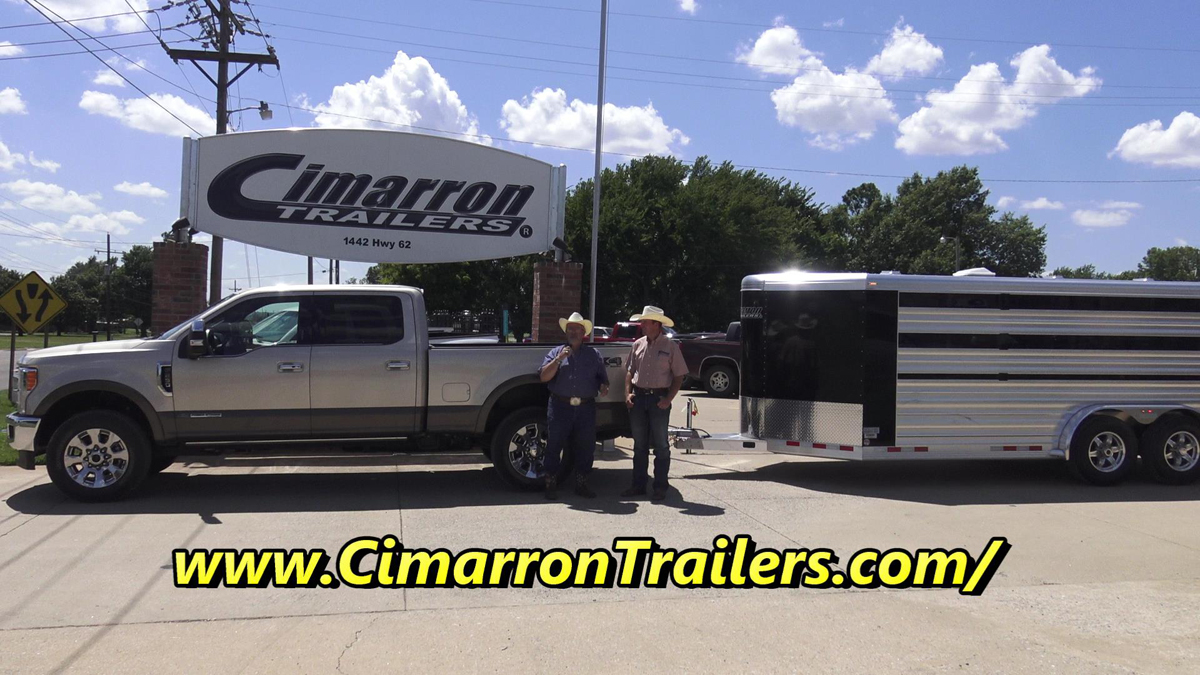
Cimarron aluminum horse and show animal trailer factory review:
(http://www.CimarronTrailers.com) MrTruck reviews Cimarron Trailers in Oklahoma. Premium aluminum horse trailers , Living Quarters, show cattle, hogs, sheep, goats etc. Better by Design, quality trailers, MrTruck top pick aluminum trailers. Factory review.
See the Latest and Greatest new trailer towing products See Pictures.
MrTruck.com Research Pickup Truck-Trailer and Accessory Reviews
 I know it’s hard to find trucks equipped to tow the big trailers. We’ve found them. Click to see the inventory. Light Duty, Class 2-3 Medium Duty, Class 4-5 and Heavy Duty Class 6-7-8 or call 303-502-9799. Larger trucks for your larger Trailers. Transwest Hauler trucks
Transwest (TrailerWest.com) Horse Trailer Inventory, Click…
Transwest Used Truck Inventory; all sizes, Class 2-3, 4-5, 6-7-8
 MrTruck’s Favorite Innovative Accessories: I’m not talking about license plate borders or chrome exhaust pipe tips. I have those too, but cool functional stuff that you don’t see everywhere. More…
MrTruck.com Research, Pickup Truck-Trailer and Accessory Reviews: H. Kent Sundling (MrTruck) Publisher/editor, David Sundling-video/camera, Kelsey Heil-journalist, Andrew Lyons special projects, Dan Atkinson thumbnails, Rick Vorce-social media/SEO. Published in USA, World HQ, Denver CO. Ph. 303-883-1300 | Email [email protected] Founded 1999. Copyright © H. Kent Sundling, All rights reserved. Email for free reprint & picture permission.
MrTruck’sAccessory Store Thank you for visiting our online magazine.
 MrTruck articles published below “God Bless America” Website Made in Colorado USA!
Farm Journal Magazine Western Horseman Fence Post Magazine
Farm Journal 2020 Chevy Trucks.
Horse Trailer World Working Truck World
New pickup truck-trailer and accessory reviews: By MrTruck

MrTruck Media family of websites you can use!